
How to Host a Field Day for your Homeschool Group
Field day is a fun tradition in most schools, providing a day of friendly competition for students and staff. It’s also one of the traditions that many homeschoolers don’t get to take part in. This post is going to help you figure out how to host a field day for your homeschool group that will change that.
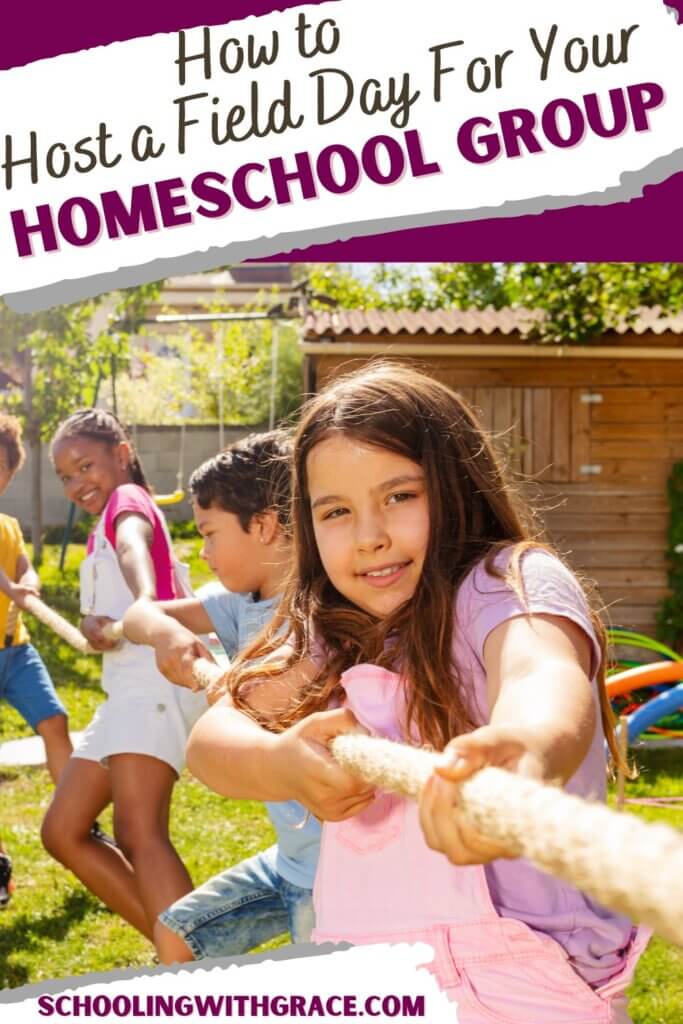
A well-organized field day fosters camaraderie, teamwork, and physical activity. Whether you’re a seasoned field day planner or tackling this task for the first time, this guide will equip you with ideas to host a memorable event for your homeschool group.
Planning Your Field Day
- Form a Committee: Assemble a team of dedicated individuals to share the workload and bring diverse ideas to the table. Include parents, and even older students who can help. If you are part of co-op get the administration and teachers involved.
- Set a Date and Time: Choose a date that works for the majority of families. Consider weather conditions, school schedules, and any potential conflicts with other events. Morning or early afternoon is typically ideal for field day activities.
- Select a Location: Explore nearby parks or fields that can accommodate your planned activities. Ensure the location is safe, accessible, and equipped with necessary amenities like restrooms and water fountains.
- Determine the Budget: Establish a realistic budget for your field day. Factor in costs for equipment, supplies, prizes, food, and any additional expenses. Explore fundraising opportunities or seek sponsorships to help cover costs.
- Theme & Decorations: Adding a theme can elevate the fun factor of your field day. Having a theme like the Olympics or Superheroes would be so fun. Decorate the venue with banners, balloons, and other festive elements that align with your chosen theme.
Activities
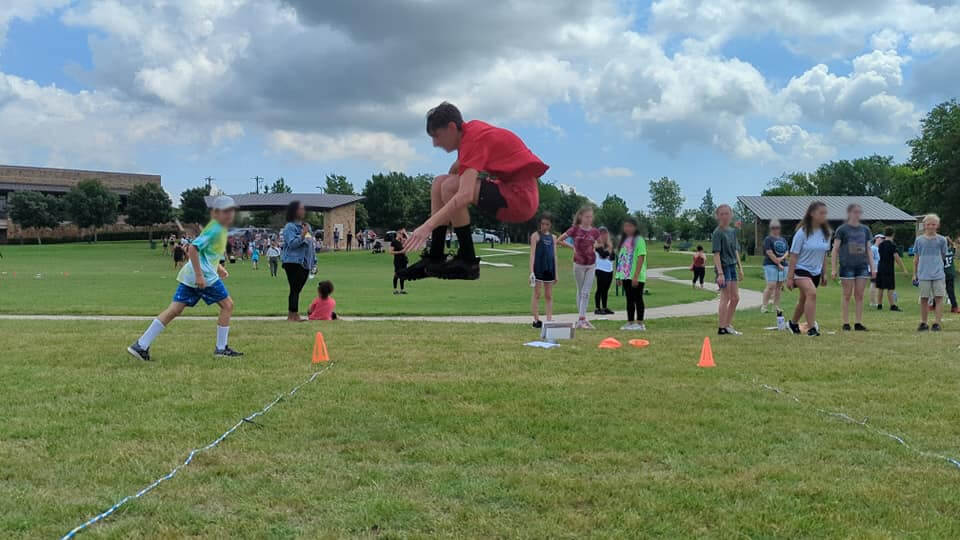
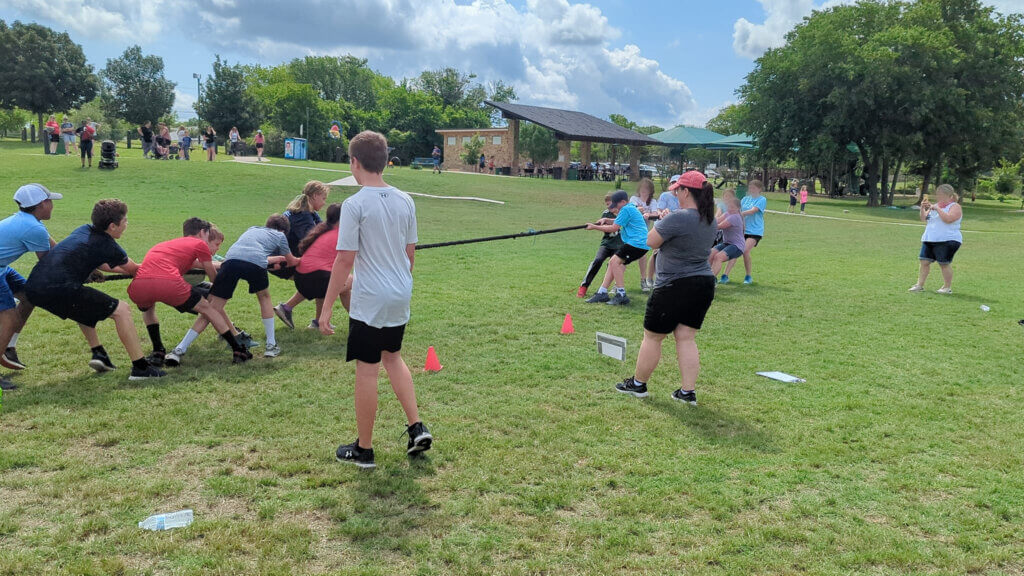
- Classic Field Day Games: Embrace timeless activities like relay races, sack races, three-legged races, egg-and-spoon races, and tug-of-war. These games encourage teamwork, friendly competition, and physical activity.
- Obstacle Courses: Set up exciting obstacle courses that challenge students’ agility, balance, and coordination. Utilize cones, hula hoops, jump ropes, tunnels, and other readily available items.
- Water Activities: If weather permits, incorporate water games like water balloon toss, sponge relay races, and slip-n-slides. Ensure students have appropriate attire and towels for drying off.
- Team Challenges: Organize team-based activities that foster collaboration and problem-solving skills. Consider challenges like building the tallest tower with marshmallows and toothpicks or solving a scavenger hunt with clues scattered around the venue.
- Creative Stations: Set up stations where students can engage in creative activities like face painting, making friendship bracelets, or designing their own field day t-shirts.
Logistics of Hosting a Field Day

- Volunteer Recruitment: Recruit parent and community volunteers to help with setup, activity supervision, scorekeeping, and other essential tasks. Provide clear instructions and assign specific roles to ensure smooth operations.
- Equipment and Supplies: Create a comprehensive list of equipment and supplies needed for each activity. Gather or purchase these items well in advance to avoid last-minute scrambling.
- Scheduling: Create a detailed schedule that outlines the sequence of activities, designated areas for each event, and time allotted for breaks and lunch. Share the schedule with students, staff, and volunteers.
- Communication: Establish clear communication channels to keep everyone informed about field day details. Utilize flyers, emails, and social media to disseminate information.
- Food and Refreshments: Arrange for food and drinks to keep students and parents energized throughout the day. Offer healthy options like fruit, vegetables, and water, as well as some fun treats like popsicles or popcorn.
Safety Considerations for Field Day

- First Aid Station: Set up a designated first aid station with trained personnel to handle any injuries or medical needs that may arise.
- Sun Protection: Encourage students to wear sunscreen and hats, and provide shaded areas for breaks and rest.
- Hydration: Ensure students have access to water throughout the day and encourage them to drink regularly, especially in warm weather.
- Supervision: Assign adequate adult supervision for each activity to ensure student safety and adherence to rules.
- Emergency Preparedness: Have a plan in place for handling emergencies like severe weather, injuries, or other unforeseen situations.
Hosting a successful field day requires careful planning, organization, and attention to detail. You can create a fun-filled event that promotes physical activity, teamwork, and lasting memories for your homeschool community.
Additional Tips for Field Day
- Music and Entertainment: Add a festive atmosphere with upbeat music and consider inviting a DJ or local band to perform.
- Photo Booth: Set up a photo booth with props and backdrops for students to capture fun memories.
- Awards and Recognition: Acknowledge student achievements with awards, certificates, or small prizes.
- Feedback and Evaluation: Gather feedback from students, staff, and volunteers after the event to identify areas for improvement for future field days.
Remember, field day is an opportunity for your school to come together and create a positive, shared experience. With enthusiasm, creativity, and careful planning, you can make it a day that everyone will cherish.
Other Homeschool Group Resources:
How to start a homeschool club
How to plan a homeschool group graduation
The Ultimate Guide to Planning a Night of the Arts for your Homeschool Group
8 Exciting Field Trip Ideas for your homeschool group

Angela is the Homeschool Encourager for the Overwhelmed & Under-Caffeinated and the Chaos-to-Confidence Specialist behind Schooling with Grace. With a no-fluff approach, a dash of humor, and a whole lot of heart, she helps homeschool moms cut through the chaos, ditch unrealistic expectations, and teach with confidence.