
Building Math Fluency in Kindergarten
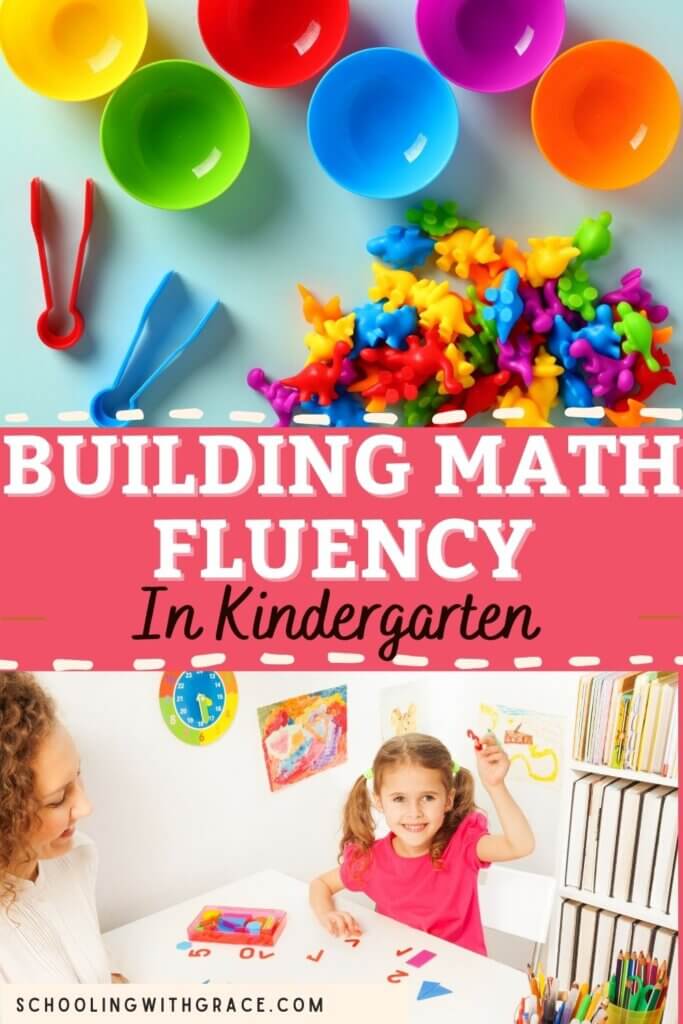
As a kindergarten teacher or a Kindergartner homeschool parent, you play a crucial role in laying the foundation for your child’s mathematical journey. Building math fluency in kindergarten is not about rote memorization but about developing a conceptual understanding of numbers and operations. Here are some research-backed activities and resources to help your young learners build a strong foundation in math
As an Amazon Associate, we earn from qualifying purchases. This site contains affiliate links see my disclosure here:
Importance of Early Math Fluency
Research indicates that early math skills are a strong predictor of later academic success. By focusing on building fluency in kindergarten, we set our children up for success in later grades. Fluency in math means having a flexible and efficient understanding of numbers and operations, enabling children to solve problems with ease.
Early math fluency isn’t just about memorizing facts; it’s about fostering a deep conceptual understanding of numbers, operations, and relationships, enabling children to approach math with flexibility and creativity. In essence, we’re nurturing a lifelong love for learning and empowering our children to become confident mathematical thinkers.
10 Engaging Activities to Build Math Fluency
Number Talks: Engage in daily number talks where children explore different ways to represent and solve problems. This helps them develop mental math strategies and number sense.
Counting Collections: Provide opportunities for children to count objects in various ways, such as by 2s, 5s, or 10s. This helps them develop counting skills and understand place value.
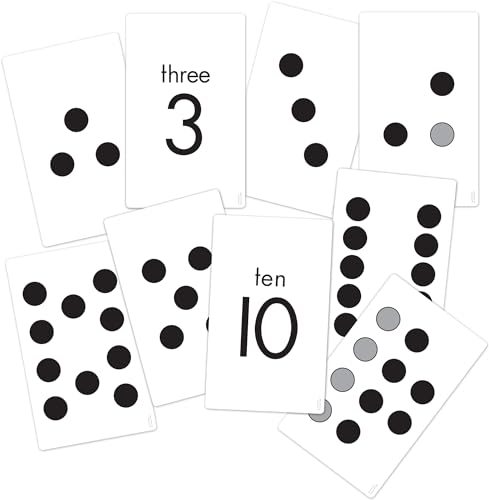
Subitizing: Show children a quick flash of dots or objects and ask them to tell how many they saw without counting. This helps them develop visual recognition of numbers and strengthens number sense. Related: What is Subitizing?


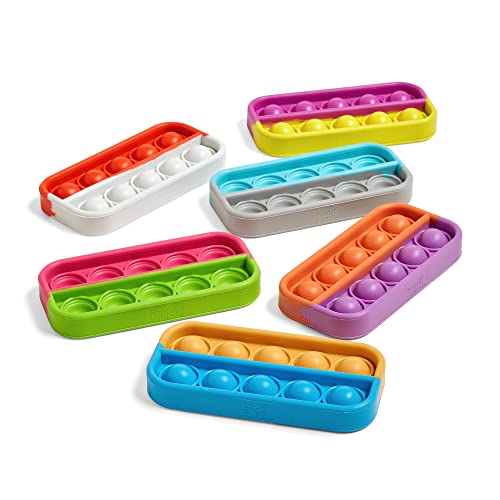
Ten Frames: Use ten frames to help children visualize numbers and understand the relationship between numbers and ten. This is crucial for developing addition and subtraction skills.

Number Lines: Use number lines to help children understand the sequence of numbers and the concept of addition and subtraction as movement along the line.
Math Games: Incorporate fun math games into your routine, such as board games, card games, or dice games. This helps children practice math skills in a playful and engaging way.
Related Post: Games that Teach Math Facts


Math Stories: Read stories that involve numbers and operations. This helps children connect math to real-world situations and develop problem-solving skills.


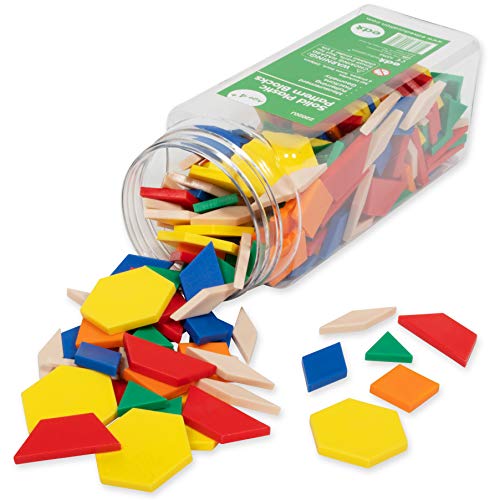
Math Manipulatives: Provide children with a variety of manipulatives, such as blocks, counters, and pattern blocks. This helps them visualize math concepts and develop spatial reasoning skills.


Songs and Rhymes: Sing songs and rhymes that involve counting, numbers, and operations. This helps children learn math concepts in a fun and memorable way.
Outdoor Math: Take math learning outdoors. Count steps, look for shapes in nature, or measure objects using non-standard units. This helps children see math in the world around them.
Other Kindergarten Resources
Raising Readers Reading Curriculum

Angela is the Homeschool Encourager for the Overwhelmed & Under-Caffeinated and the Chaos-to-Confidence Specialist behind Schooling with Grace. With a no-fluff approach, a dash of humor, and a whole lot of heart, she helps homeschool moms cut through the chaos, ditch unrealistic expectations, and teach with confidence.