
Arctic Animals Flashcards
If you’re teaching young learners about the Arctic and looking for hands-on, low-prep activities that actually stick, you’re in the right place. Exploring the frozen north with kids is magical—snowy creatures, icy habitats, and all the “wait…penguins don’t live there?!” moments. One of my favorite tools for introducing this chilly biome in a way that feels fun and not overwhelming is using arctic animal flashcards. These aren’t just vocabulary cards—when used well, they become the starting point for science conversations, hands-on crafts, STEM challenges, and even themed snacks that keep little learners engaged.
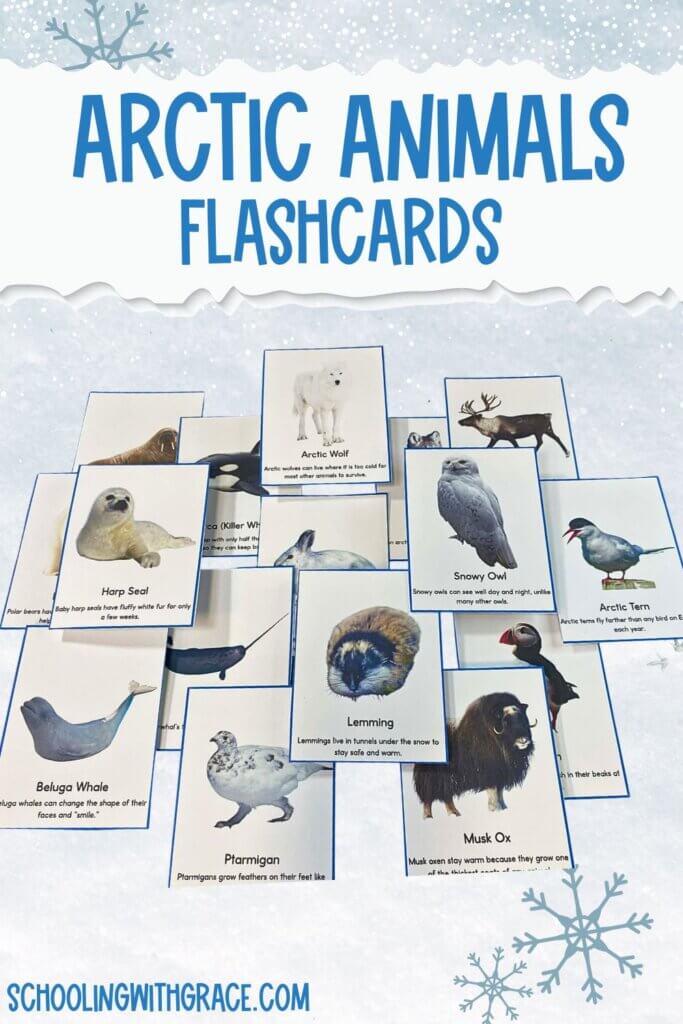
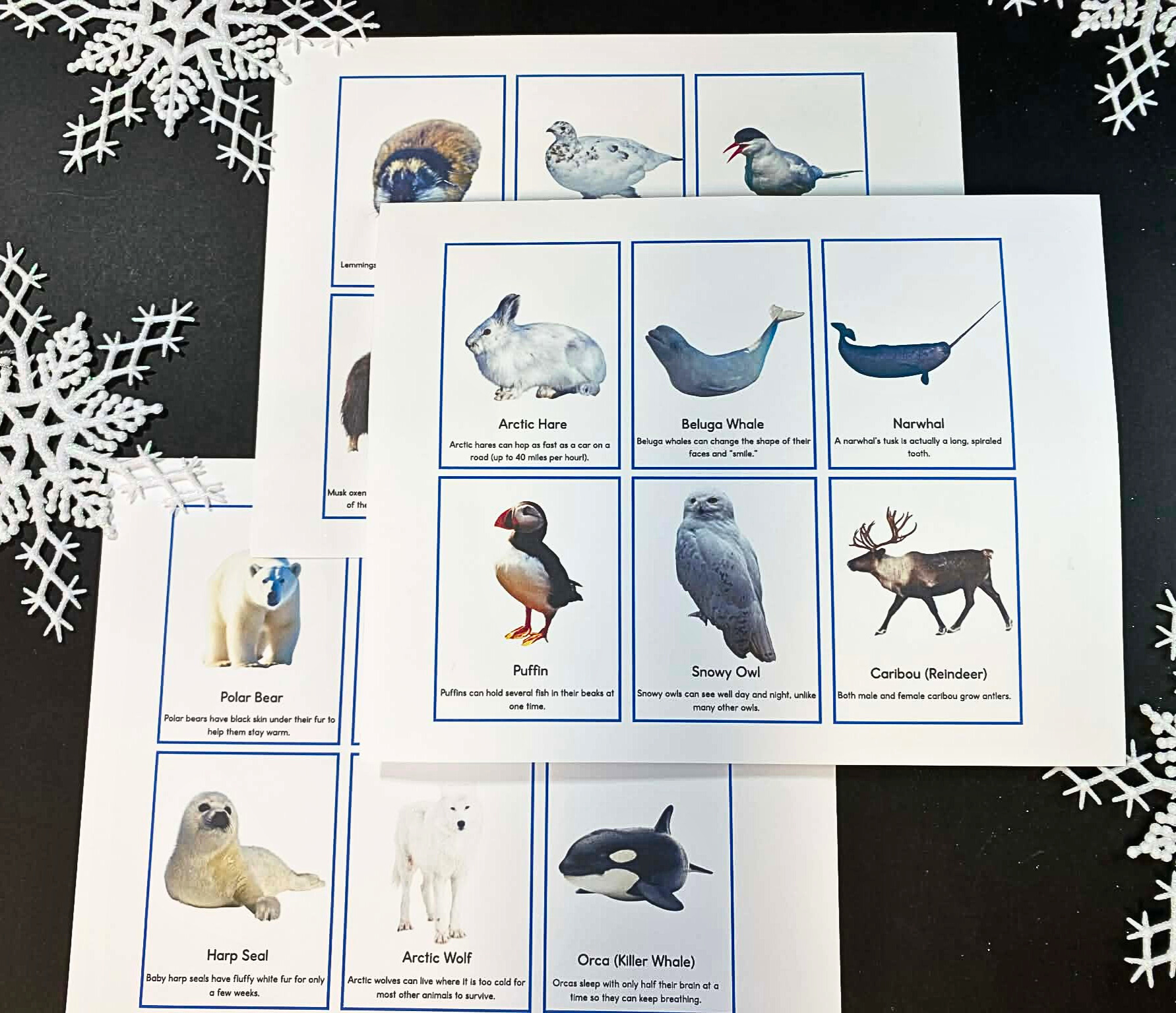
I love pairing these arctic animal flashcards with real photos, child-friendly facts, and matching activities so students not only learn the names of animals like the polar bear, narwhal, and snowy owl—they actually remember what makes each one special. These cards are designed for 1st graders (and adaptable for K–2), with simple facts, clear pictures, and lots of ways to use them across subjects.
Below you’ll find ideas, extensions, and creative ways to turn a simple set of flashcards into a full Arctic learning experience including crafts, snacks, and science activities that won’t take you three hours to prep. If you want to bring the Arctic to life without the overwhelm, this is a great place to start
What Animals Live in the Arctic?
Arctic habitats are some of the most extreme environments in the world, which makes them especially interesting for kids to explore. Using arctic animal flashcards helps students build background knowledge and visual recognition as they learn about animals who survive freezing temperatures, icy oceans, and long winters. Some animals included are:
- Polar bear
- Arctic fox
- Walrus
- Harp seal
- Snowy owl
- Caribou
- Narwhal
- Beluga whale
- Musk ox
- Ringed seal
- Orca Whale
- Puffin
- Lemming
- Arctic Tern
- Ptarmigan
You can introduce the animals one at a time or hand out cards and let students discover the animals themselves. Ask questions like: What do you notice? What makes this animal special? How might it stay warm? This sparks natural inquiry before you ever open a textbook.
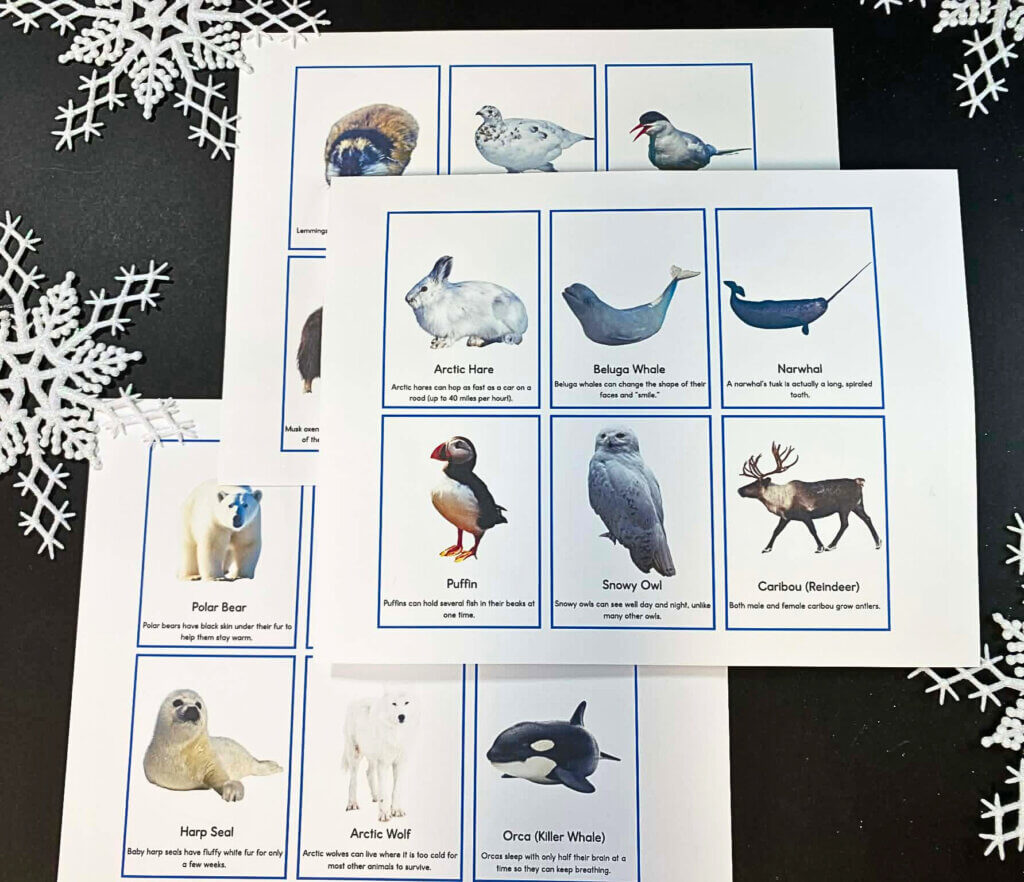
A quick activity: Sort the flashcards into Land, Air, and Sea animals. Students quickly begin to notice patterns in where animals live and how their bodies help them survive.
Arctic Hands on Crafts and Snack Connections
Crafts and snacks make learning feel memorable and can easily be tied back to your flashcards as visual references. These ideas are all 1st-grader approved and low-mess:
Crafts to Try
- Polar Bear Puffy Paint: Shaving cream + glue to make textured fur.
- Snowy Owl Coffee Filter Craft: Coffee filters, cotton balls, and construction paper.
- Arctic Fox Mask: Paper plates and cotton for a wearable learning moment.
- Iceberg Tissue Collage: Blue/white tissue paper creates land and water for animal cutouts.
Snack Ideas
- Polar Bear Rice Cakes: Rice cake + cream cheese + banana slices = bear face.
- Iceberg Jell-O Cups: Blue gelatin with marshmallow “icebergs” on top.
- Wolf Trail Mix: Pretzels, cereal, and chocolate chips for a themed snack.
The magic happens when you have students reference their arctic animal flashcards as they work. Ask, “Which animal has fur like this?” or “Which animal might live on this iceberg?” to connect hands-on learning back to the science.

Arctic Animal Books
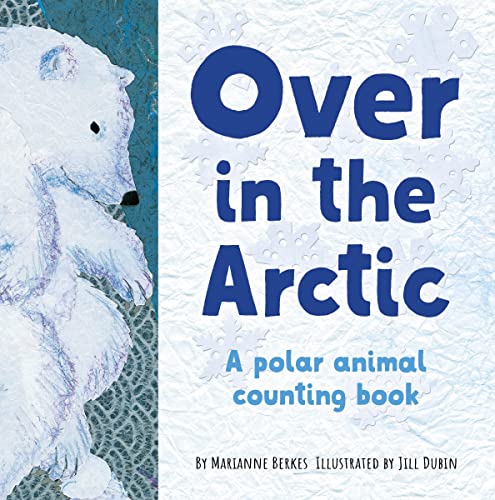
Round out your study on arctic animals with these fun picture books.




More Ways to use the Arctic Animal Flashcards
1. “Who Am I?” Guessing Game
Read a fact from a card and have students guess the animal before showing the picture. This builds listening skills and reinforces vocabulary.
2. Find Your Match
Pass out cards—half facts, half pictures. Students walk around until they find their match. Movement + learning = engagement.
3. Arctic Yoga
Create movement cues for animals—narwhal tusk pose, walrus flop, snowy owl glide. This is great for brain breaks and transitions.
4. STEM: Blubber Experiment
Use a “blubber glove” (shortening in a sandwich bag) to test how animals stay warm. Then have students draw and label an arctic animal in a printable response sheet.More Animal Activity Posts
Preschool Animal Memory Matching Game
Grab the Printable Below Here

Angela is the Homeschool Encourager for the Overwhelmed & Under-Caffeinated and the Chaos-to-Confidence Specialist behind Schooling with Grace. With a no-fluff approach, a dash of humor, and a whole lot of heart, she helps homeschool moms cut through the chaos, ditch unrealistic expectations, and teach with confidence.