
Homeschool Vs Public School
When it comes to educating our children, the choice between homeschool vs public school often feels like a battle of extremes. But it’s not just about desks or dining room tables—it’s about two fundamentally different approaches to forming young minds. This post isn’t here to villainize public schools or glorify homeschooling across the board. In fact, many incredible teachers are doing heroic work within the limits of a rigid system.
Having Homeschooled for the last 16 years, I am biased in my opinion about homeschooling being the better option for families, but I also recognize that not every homeschool is superior and not every public school should be demonized. I also don’t believe that every parent should homeschool, however I do believe that every parent CAN.

The Benefits of Homeschooling
At the time of this writing, we have graduated 2 children out of homeschooling and will another next year. It seems like we just started, but packing up those little math manipulatives and bible story books is another reminder at how quickly the years fly by. I’m overwhelmed with thankfulness that I was able to experience every high and low with my children over the years.
There is a sobering statistic that the average American mom spends 13.5 hours with her children every week, compared to homeschool moms who spend an average of 77 hours.
I truly believe that the number one reason that homeschooling is better than traditional schooling is that it strengthens family bonds. The connections that family’s form through the shared experiences, and time spent together is outmatched and has lasting benefits that will carry far into life. While my children have lots of friends in their lives, the love and friendship they have with each other will be what matters most in the later years.
Related Post: 5 Honest Questions to Ask Yourself before You Begin Homeschooling
Here are other reasons that the benefits of Homeschooling outweigh Public Schools:
HOmeschooling Strengthens Values & Beliefs
- Homeschooling allows families to intentionally instill values that are important to them and the freedom to share and practice their faith without restrictions.
- Public schools promote a fixed set of values, often without room for critical thought or diverse perspectives.
Self-Discipline is required in homeschooling
- In homeschool, discipline comes from within, not from peer pressure or performance competition.
- Learning to do the work even when it’s hard or boring = real growth.
- Contrast this with the high-achieving public-school students often running on OCD-like habits.
Early Intervention
- Problems—academic, behavioral, learning disabilities—are often caught early in homeschool.
- Public school systems often miss these issues until it’s too late or harder to reverse unhealthy habits.
Social Struggles and safety
- Homeschooling minimizes exposure to toxic social games: popularity, fashion, peer pressure.
- Public school culture tends to push conformity over individuality.
- There has been a rise in school shootings and safety concerns over the years.
Bullying
- It exists in public school, period—even the good ones.
- Homeschool environments naturally reduce bullying due to smaller, safer social dynamics where adults are present.
Independent Thought
- Homeschool fosters real critical thinking: reading widely, analyzing deeply, discussing openly.
- Public school tends to promote conformity through standard curriculum and groupthink dynamics.
The Case for Public Schooling
While I admit this post leans heavily in bias towards homeschooling (I am a homeschooler after all), I do admit that there are some things to consider when comparing homeschooling to traditional schooling.
- Access to Certified Teachers & Specialists
Public schools employ trained educators, special education professionals, counselors, and support staff who are equipped to handle a wide range of academic and emotional needs. - Built-in Socialization
Students interact daily with a variety of peers, helping them develop essential social skills, emotional intelligence, and teamwork—sometimes these skills are hard to replicate in smaller settings. - Diversity of Perspectives & Experiences
Public school classrooms often reflect broader society, exposing students to different cultures, beliefs, socioeconomic backgrounds, and worldviews. - Extracurricular Opportunities
Sports teams, music programs, theater, clubs, and leadership organizations are often more accessible and varied and are often offered free of cost to students. - Support for Working Families
Public schools provide consistent, structured schedules and resources like transportation and school meals, offering vital support for dual-income or single-parent households.
Challenges and Trade-offs
While both homeschooling and public schooling offer unique benefits, they also come with their share of challenges and trade-offs. Homeschooling requires a significant time and energy investment from parents, who are also juggling teaching with their other responsibilities. And while most homeschoolers are tired of hearing about “socialization” it can also be a concern if families aren’t intentional about creating community connections.
On the other hand, public school students may face larger class sizes, less individualized attention, and exposure to bullying or peer pressure. While public schools offer a more structured environment and access to trained educators, they also come with curriculum constraints and limited flexibility.
What It Really Comes Down To
It’s a big decision to decide on your child’s educational path. But you are the best person to make that choice. Consider what is truly important to you and what is best for your child and your family then move forward in that direction. Homeschooling has changed a lot over the years. You don’t have to do it alone. There is a plethora of online classes, support groups, co-ops, and people that are around you if you just look.
Looking for more Homeschool Resources? Check out these posts below
How to Homeschool Multiple Grades at Once
Homeschooling for Beginners- A step by Step Guide
Why You shouldn’t Homeschool Alone
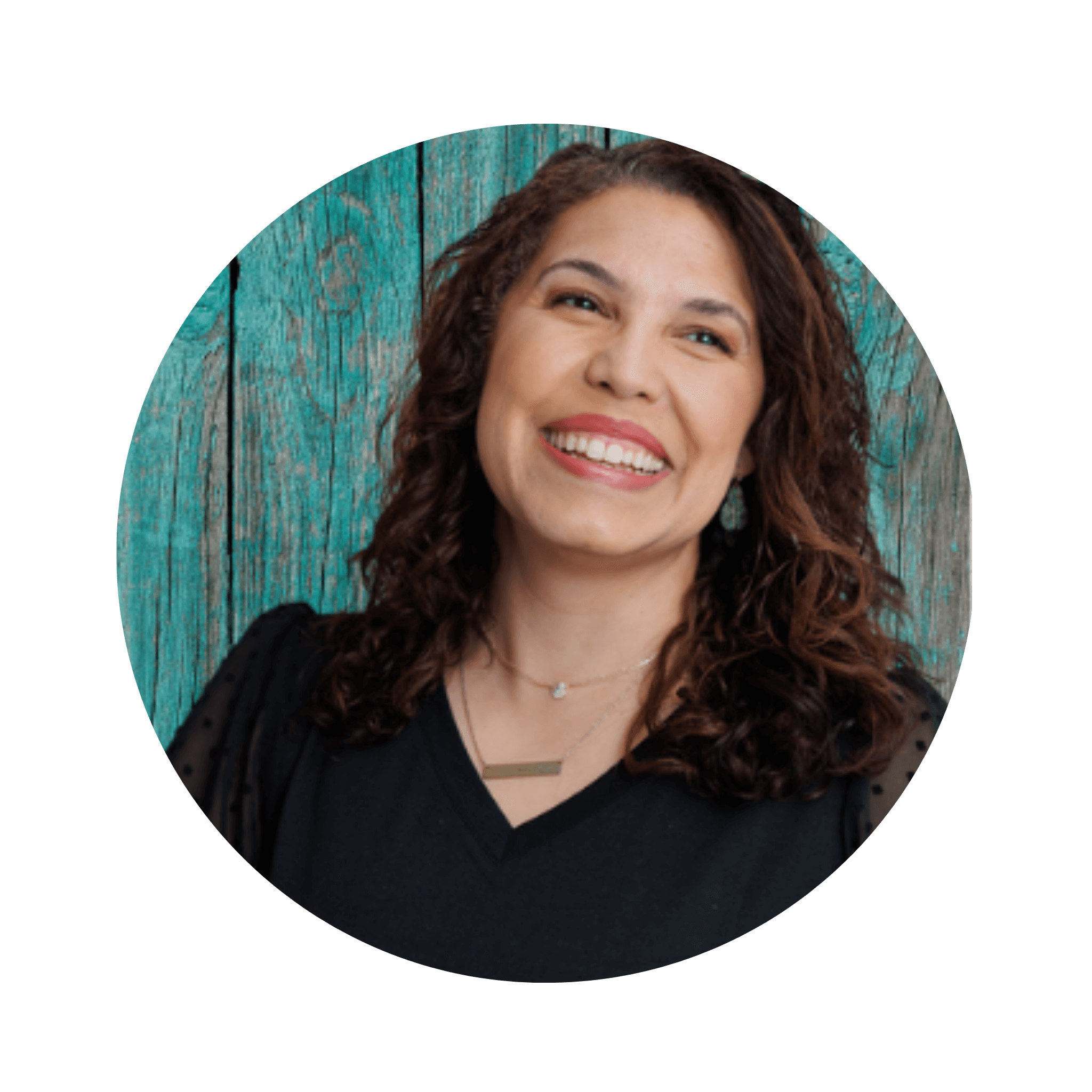
Angela is the Homeschool Encourager for the Overwhelmed & Under-Caffeinated and the Chaos-to-Confidence Specialist behind Schooling with Grace. With a no-fluff approach, a dash of humor, and a whole lot of heart, she helps homeschool moms cut through the chaos, ditch unrealistic expectations, and teach with confidence.