
Homeschool Co-op Cooking Curriculum
Homeschool co-ops are great ways to get in enrichment classes that are more fun to take outside of our home. Our co-op cooking classes are some of the most popular classes in our co-op and always fill up right away. We have taught many different styles and types of classes over the years for students of all ages. Our teachers have mostly created their own homeschool co-op cooking curriculum, but if you are just starting out or are looking for some quick and easy ideas then look no further.
As an Amazon Associate, we earn from qualifying purchases. This site contains affiliate links see my disclosure here:
Why should you Teach a Co-op Cooking Class?
Cooking is fun! It allows you the opportunity to pour into the next generation a necessary life skill while at the same time teaching them something about your family culture and history. And depending on what you are focusing on, it also allows them to experiment with foods from a diverse array of areas around the country and the world.
Cooking also allows for extra practice and application in:
- adding and subtracting fractions
- measurements
- Reading
- Chemistry concepts
Things to Consider when using a Cooking Curriculum
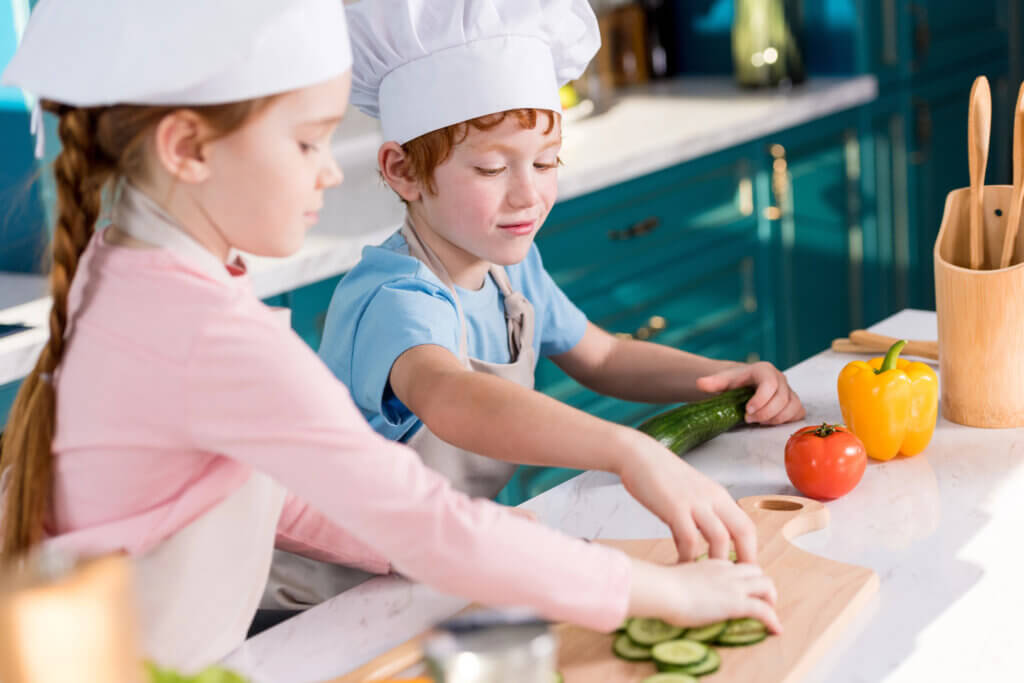
-Make sure what you are teaching is age appropriate. If you are doing a cooking class for younger students, you may want to use safety knives and do more no heat recipes.
-Choose a variety of cuisines. Let students explore foods outside of their norm. This is a great opportunity to peak into other cultures and nationalities.
-Hands-on Learning: Maximize student participation in every step of the cooking process, from prepping ingredients to plating the final dish, and make sure leave time to teach them how to properly clean up.
Teach safe practices. Establish clear safety guidelines and protocols for using kitchen tools and equipment.
Age adaptations to consider when planning your cooking class.
Beginner (Ages 4-7): Focus on simple recipes with few ingredients, basic kitchen safety, and sensory exploration (e.g., making fruit salad, decorating cookies).
Intermediate (Ages 8-11): Introduce more complex recipes, knife skills, cooking techniques (e.g., baking bread, preparing a simple soup), and basic nutrition concepts.
Advanced (Ages 12+): Explore international cuisines, advanced culinary techniques (e.g., making pasta from scratch, mastering sauces), and recipe development.
Cooking Class Ideas
We have had a variety of cooking classes over the years, with different themes and ideas. I’m sharing the names and ideas that some of our teachers have used in the past. Hopefully it sparks some ideas.
Eat your Way Around the World- Make your class the envy of the co-op with delicious dishes inspired by different cultures around th world.

Little House Cooking– Cooking with a focus on classic frontier dishes.


Raddish Kids– Let the work be done for you, they have recipes and kits and their subscription services are really fun. They also have a homeschool program.
Potluck Pickings- This is basically a casserole class. Students can be taught all those family favorite casserole dishes.
Chopped Jr– Inspired by the “Chopped” television show. Students hone their cooking skills, and face surprise ingredients as they compete in timed events against their fellow classmates. They develop teamwork, problem-solving, and presentation abilities while crafting delicious dishes
Healthy Habits Cooking Class– Show kids that cooking and eating healthy can be fun and tasty. Choose recipes that are nutritious and healthy while still being delicious.
Cook with a Book- This would be a class meant for younger students. There are so many great picture books that can give fun cooking inspiration.
![[(Cloudy with a Chance of Meatballs )] [Author: Judi Barrett] [Aug-2011]](https://m.media-amazon.com/images/I/51B2escZ7pL._SL500_.jpg)


The Icing on the Cake– Teach cake baking and decorating.
Knead to Know– A class all about bread making. Students can learn the basics of making different types of bread and pastries.
Spice Rack Stars- kids can explore the vibrant and diverse world of spices, learning how to use them to create delicious and healthy dishes from around the globe. Teach students the origins and uses of various spices. Develop their palates by tasting and identifying different spices.
Kitchen Class Resources
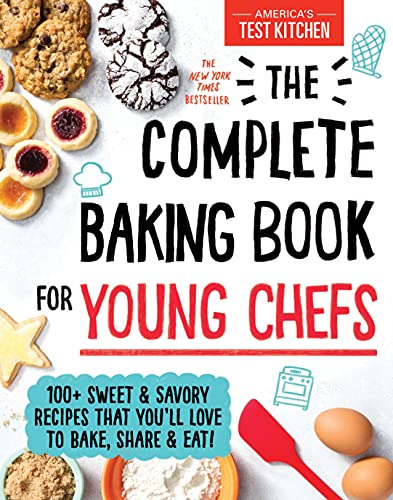
Add some fun into your cooking class with these resources.




Other Homeschool Co-op Class Ideas
Homeschool Co-op Class Ideas for Kindergarten
Homeschool Co-op Class Ideas for Reading and Language Arts
Homeschool Co-op Science Curriculum
Easy Homeschool Co-op Class Ideas

Angela is the Homeschool Encourager for the Overwhelmed & Under-Caffeinated and the Chaos-to-Confidence Specialist behind Schooling with Grace. With a no-fluff approach, a dash of humor, and a whole lot of heart, she helps homeschool moms cut through the chaos, ditch unrealistic expectations, and teach with confidence.