
Creating a Homeschool Co-op for Kindergartners: A Guide
As a parent embarking on the exciting journey of homeschooling your kindergartner, you may find yourself drawn to the idea of a homeschool co-op. A homeschool co-op, short for cooperative, is a group of families who come together to share resources, expertise, and experiences to enhance their children’s education. Read more at: What is a Homeschool Co-op. Establishing a homeschool co-op for Kindergartners can be a fantastic way to enrich your child’s learning, foster social interaction, and build a supportive community. In this guide, we’ll explore the benefits of creating a homeschool co-op for kindergartners and provide you with practical steps to create your own thriving co-op.
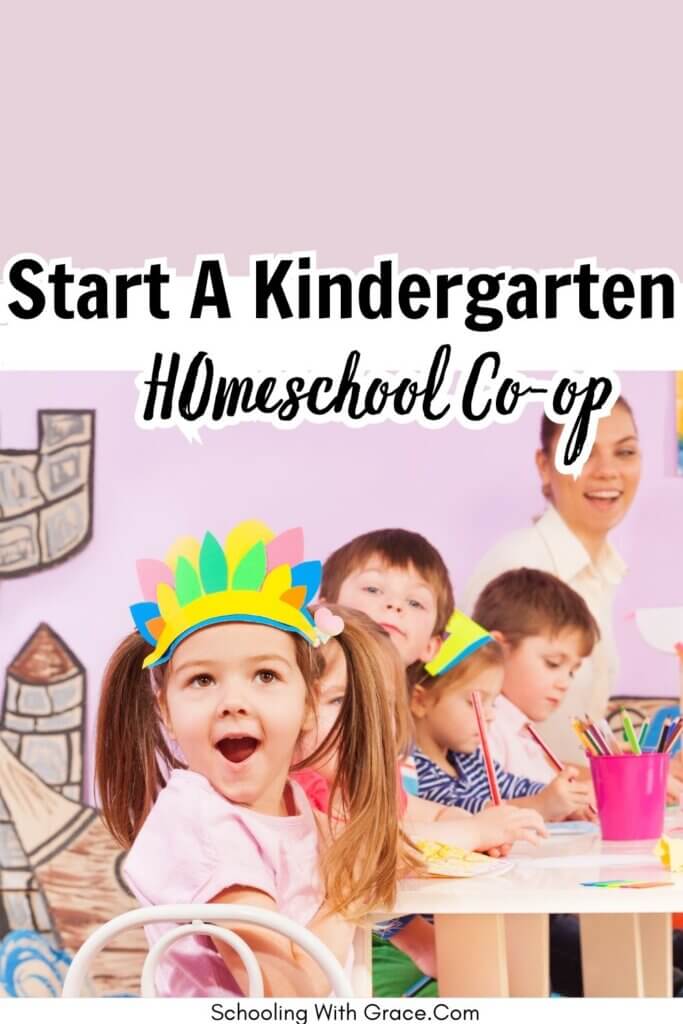
Why Choose a Homeschool Co-op for Kindergartners?
Transitioning to homeschooling can sometimes feel isolating, both for you and your child. A homeschool co-op offers a solution by providing a sense of belonging and connection. Here’s why you might consider joining or creating one:
- Socialization: Kindergartners thrive in social settings. Co-op activities like group playdates, art projects, and field trips offer valuable opportunities for your child to interact with peers in a safe and nurturing environment.
- Diverse Learning Experiences: Co-op members often bring diverse skills and backgrounds to the group. This means your child can benefit from various teaching styles and approaches, enhancing their learning experience.
- Shared Resources: Pooling resources with other families can significantly reduce the financial burden of homeschooling. You can share textbooks, materials, and even hire specialized instructors for certain subjects.
- Parental Support: Homeschooling can be challenging, especially for beginners. In a co-op, you have access to a network of experienced parents who can offer advice, share strategies, and provide emotional support.
- Field Trips and Outings: Co-ops often organize field trips to museums, parks, zoos, and other educational venues. These outings not only make learning fun but also allow kids to explore and discover together.
Creating Your Kindergarten Co-op: Step by Step
Step 1: Define Your Co-op’s Vision and Goals
Gather interested parents and discuss the purpose and goals of your co-op. Are you focused on a specific teaching approach, such as Montessori or project-based learning? Are there particular subjects you want to emphasize? Clarifying your vision will guide your co-op’s activities and structure.
Step 2: Determine Logistics
Decide on practical matters such as meeting frequency, location, and duration. Will you meet weekly or bi-weekly? Will you rotate homes or use a community center? Make sure the logistics align with the schedules and needs of all members.
Step 3: Plan Activities and Curriculum
Brainstorm a list of activities and subjects you’d like to cover. For kindergartners, activities could include arts and crafts, storytelling, basic math and science experiments, and outdoor play. Create a rough curriculum outline to ensure you’re covering a variety of educational and developmental areas.


Step 4: Delegate Responsibilities
Divide roles among the co-op members. Assign tasks such as organizing field trips, planning lessons, maintaining communication, and managing any financial contributions. Sharing responsibilities ensures that no one person feels overwhelmed and that the co-op runs smoothly.
Step 5: Set Guidelines and Expectations
Establish clear guidelines for behavior, attendance, and parent participation. Communicate your expectations to all members to ensure a respectful and cooperative environment. This is also a good time to discuss any potential disagreements or conflicts and how they will be resolved.
Step 6: Foster a Supportive Community
Regular communication is key to a successful co-op. Set up a platform for sharing ideas, resources, and updates. Online forums, social media groups, or messaging apps can facilitate easy communication among members.
Step 7: Launch and Evaluate
Hold your first co-op meeting and begin your activities. As the co-op progresses, periodically evaluate its effectiveness. Are the children engaged and learning? Are parents finding value in the shared experience? Use feedback to make necessary adjustments and improvements.
Need More Help? Check out this Series: Everything you need to know about starting your own Homeschool Co-op
Tips for a Successful Homeschool Co-op
- Be Flexible: Kindergartners have different learning paces and interests. Be prepared to adapt activities and lessons based on the group’s dynamics.
- Encourage Parent Involvement: Active participation from parents enriches the co-op experience. Parents can lead activities, share their expertise, and contribute to the overall success of the group.
- Promote Open Communication: Create a welcoming atmosphere where parents feel comfortable expressing their ideas, concerns, and suggestions.
- Celebrate Diversity: Embrace the unique qualities each family brings to the co-op. Celebrate different cultures, traditions, and perspectives to create a well-rounded learning environment.
- Have Fun: Remember that the primary goal is to provide an enjoyable and enriching learning experience for your kindergartners. Keep activities lighthearted, engaging, and fun.
Looking for some class ideas? Check out the Ultimate List of Homeschool Co-op Classes
Establishing a homeschool co-op for kindergartners requires effort and collaboration, but the rewards are immeasurable. By creating a supportive community of like-minded families, you’ll not only enhance your child’s educational journey but also forge lasting friendships. So, gather your fellow homeschooling parents, envision your co-op, and watch your kindergartners thrive!

Angela is the Homeschool Encourager for the Overwhelmed & Under-Caffeinated and the Chaos-to-Confidence Specialist behind Schooling with Grace. With a no-fluff approach, a dash of humor, and a whole lot of heart, she helps homeschool moms cut through the chaos, ditch unrealistic expectations, and teach with confidence.