
How to Get Kids to Memorize Math Facts
Let’s be honest: teaching kids how to memorize math facts can feel like trying to train a cat to fetch. You know they can do it, but convincing them? That’s another story. Some kids pick up math facts quickly, while others act like 7 x 8 is hoping for a quick answer, but instead, they stare at it like it’s written in Elvish, waiting for a magical revelation that never comes. The problem? Without math fact fluency, everything else in math feels like wading through peanut butter.

So, how do you get kids to memorize math facts without endless drill sheets, tears, or dramatic monologues about the unfairness of life? Good news: there are better (and way less painful) ways to make those facts stick. Let’s talk about sneaky strategies, engaging activities, and a little magic to turn your reluctant math student into a fact-fluency rockstar.
1. Make It a Game
(Because Work Disguised as Fun Always Wins)
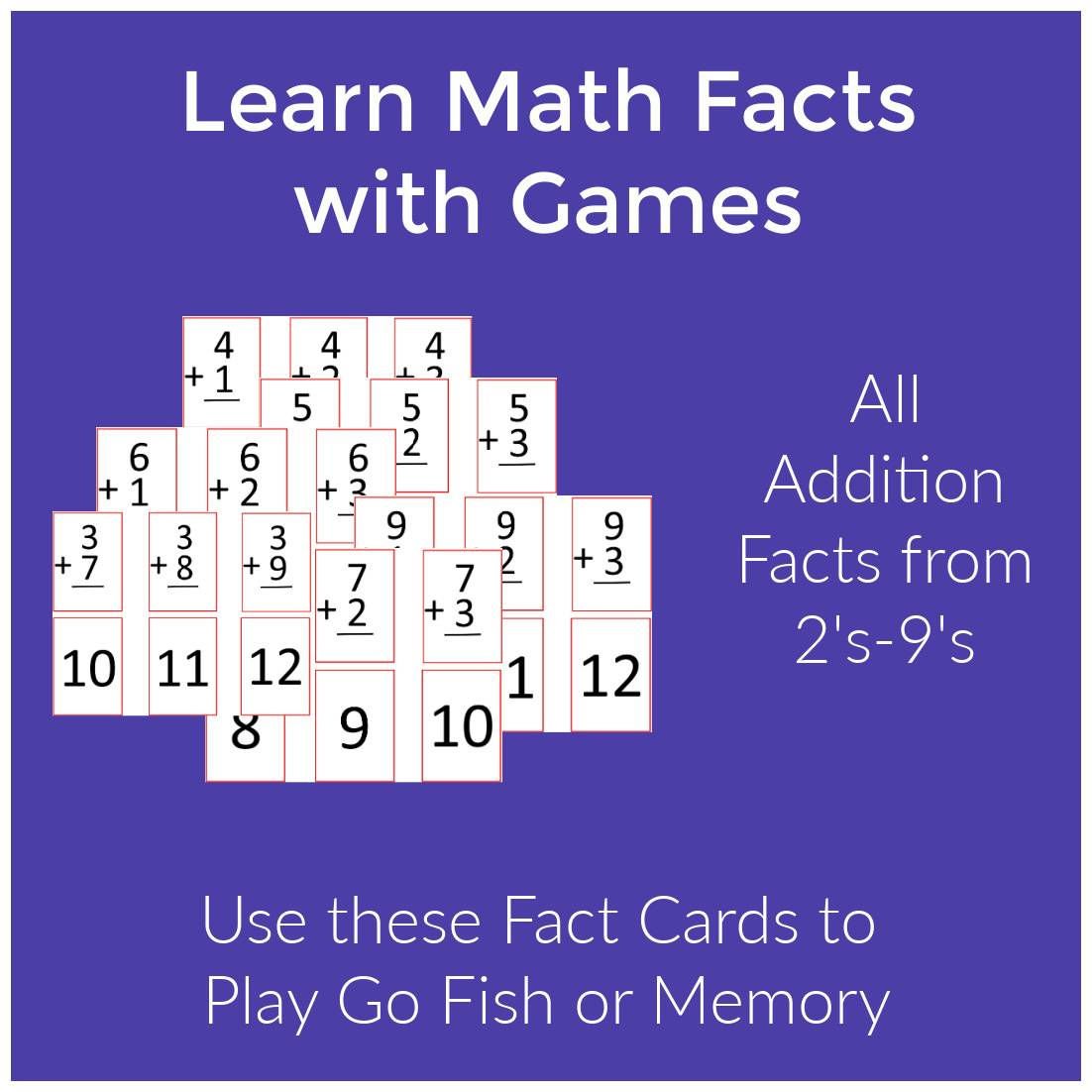
Kids love games, so why not trick—er, encourage—them into learning math facts while playing? Flashcards are great, but only if they involve some level of competition, movement, or prizes (because kids will literally memorize anything for a prize).
Games to Try:
- Math Fact War – Use a deck of flashcards. Two players flip a card, solve it, and whoever answers first keeps it. Most cards at the end wins!
- Math Fact Bowling – Tape math facts to plastic cups and let kids knock them down with a ball. They have to say the answer before they roll.
- Math Fact Websites – If they can spend hours playing Roblox, they can spend 10 minutes playing a fun multiplication game.
Related Post: Teaching Math Facts with Games

2. Use Songs, Rhymes, and Silly Sayings
Ever wonder why your kid can recite every word of a random commercial jingle but “6 x 7” is a mystery? Because music and rhythm make memorization easier!
- Multiplication Songs – YouTube is full of catchy math fact songs that burrow into kids’ brains forever. (Apologies in advance.)
- Silly Sayings – “8 x 8 fell on the floor, picked it up—it’s 64!” These goofy tricks work wonders.
- Chanting & Clapping – Kids retain information better when they say it and move their bodies. Try clapping or jumping while reciting facts.
3. Let It Sink In Naturally
(AKA, Stop the Speed Drills)
Some kids thrive on speed drills. But for others, it’s like a math-themed horror movie. Instead of timed tests, try:
- Daily Micro-Practice – Just a few facts at a time, every day. Slow and steady wins the race!
- Real-World Math – Have them calculate total prices while shopping or figure out how much pizza everyone gets (because pizza math is always motivating).
- Fact Families & Tricks – Teach patterns instead of just raw memorization. If they know 6 x 7 = 42, they also know 7 x 6 = 42. Efficiency for the win!
Related Post: How to Test Students without actually Testing them
What to Do When Your Child Struggles to Memorize Facts
So, you’ve tried the songs, the games, the real-life math quests… and your child still looks at “6 x 7” like it’s an ancient curse written in a lost language. First, take a deep breath. Not all kids memorize at the same pace, and that’s okay! If rote memorization isn’t clicking, shift the focus to understanding the numbers instead. Use manipulatives (Legos, beans, coins—whatever’s lying around) to help them see patterns and relationships. Break big problems into smaller ones—like turning 6 x 7 into (6 x 5) + (6 x 2). Let them rely on a multiplication chart or number line for a while. Mastery comes with time, exposure, and—most importantly—a stress-free learning environment. If frustration levels are high, step back and revisit it later.
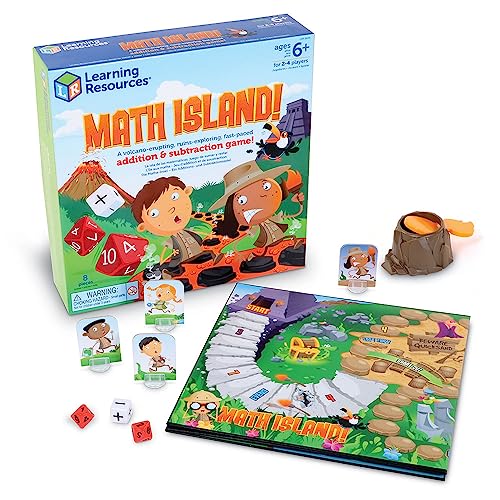
Math Game Resources



What Are Your Favorite Math Games?

Angela is the Homeschool Encourager for the Overwhelmed & Under-Caffeinated and the Chaos-to-Confidence Specialist behind Schooling with Grace. With a no-fluff approach, a dash of humor, and a whole lot of heart, she helps homeschool moms cut through the chaos, ditch unrealistic expectations, and teach with confidence.
Thank you for your encouragement by way of these resources! ❤️
I’m so glad you found them helpful!