
How to Teach Your Child To Tell Time
There are grown people in my life that cannot read an analogue clock. And if you don’t know what that word means, it’s the round clock with the hour and minute hand. I mean I get it, we live in a digital world, but honestly, it’s an important skill to have and if your child is old enough to learn it then hang tight, this post will show you how to teach your child to tell time. Teaching children how to tell time empowers them to take control of their schedules and understand the concept of time in a meaningful way. First grade is an ideal time to introduce this important skill, but anytime they are ready to learn- jump in! And once they understand the concept, you can use it to teach skip counting and fractions… Hey, look at all that math with just one concept!
As an Amazon Associate, we earn from qualifying purchases. This site contains affiliate links see my disclosure here:
How to Teach Your Child to Tell Time
Start with the Basics: Begin by explaining the two primary units of time measurement: hours and minutes. Illustrate the concept of an hour by relating it to familiar activities, such as the duration of a favorite TV show or a trip to the park. Introduce minutes as smaller increments within an hour, emphasizing their role in breaking down time even further.
Teach the Parts of a Clock: Show children an analog clock and explain its components—the hour hand, the minute hand, and the numbers or hour markers on the face. Highlight the relationship between the two hands and how they move in different ways to represent time.
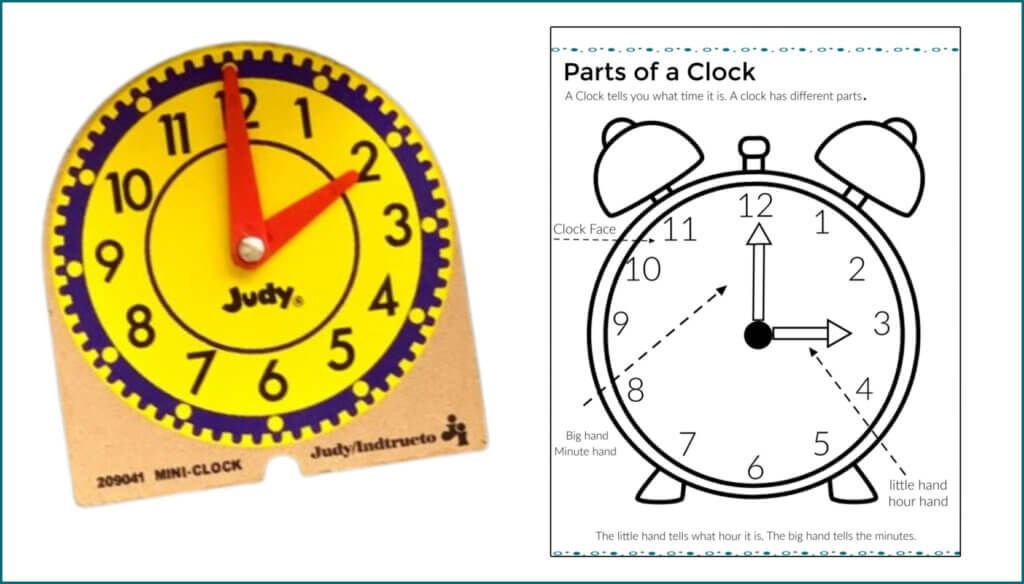
Teach the Hours: Begin by focusing on the hours. Explain that the hour hand points to the hour number, which represents a specific time of the day. Engage the students in various activities where they can practice reading and identifying the hour on analog clocks. Use real-life examples to reinforce the concept, such as scheduled class activities or mealtimes.
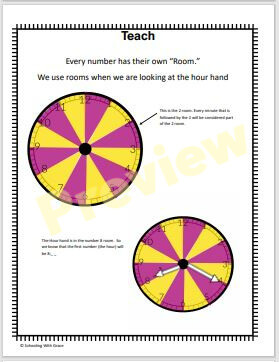
I like to say that each hour (number) has its own room, so every minute within that “room” belongs to that number. Give your student lots of practice with this concept before moving on to learning minutes.
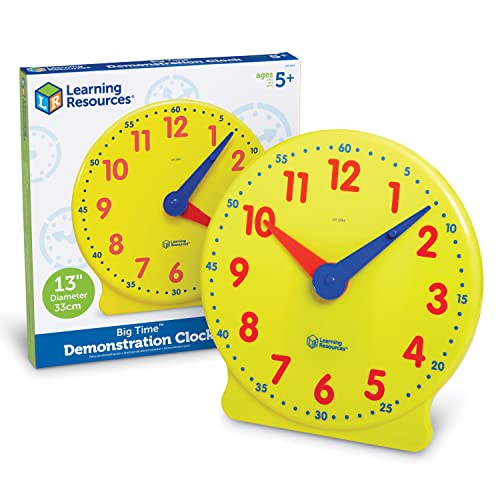
Introduce the Minutes: Once the children grasp the concept of hours, move on to minutes. Explain that the minute hand points to the minutes and that each hour is divided into 60 minutes. Introduce counting by fives to facilitate learning the minutes more efficiently. Encourage interactive activities like creating a classroom clock with movable hands or using interactive online resources.

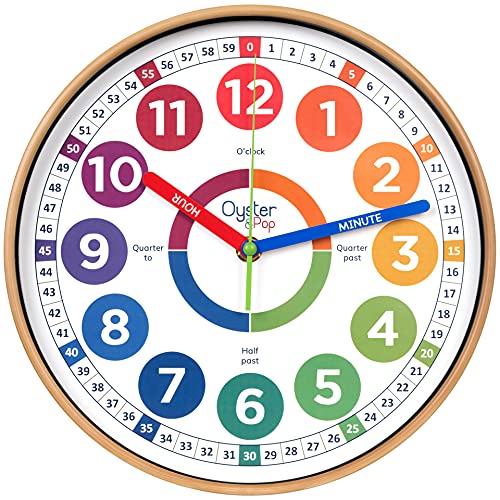
Relate Time to Daily Activities: Help students understand the practical applications of telling time by relating it to their daily routines. Discuss morning, afternoon, and evening routines and encourage them to associate specific times with these activities. Engage in interactive discussions and ask questions like, “What time do you wake up?” or “When do you have lunch?” This will deepen their understanding of how time relates to their own lives.


Practice Makes Perfect: Consistent practice is essential to reinforce the concepts learned. Provide opportunities for hands-on practice, such as time-telling worksheets, games, and interactive clock activities. Create a classroom routine that involves daily time-telling exercises to build students’ confidence and proficiency.
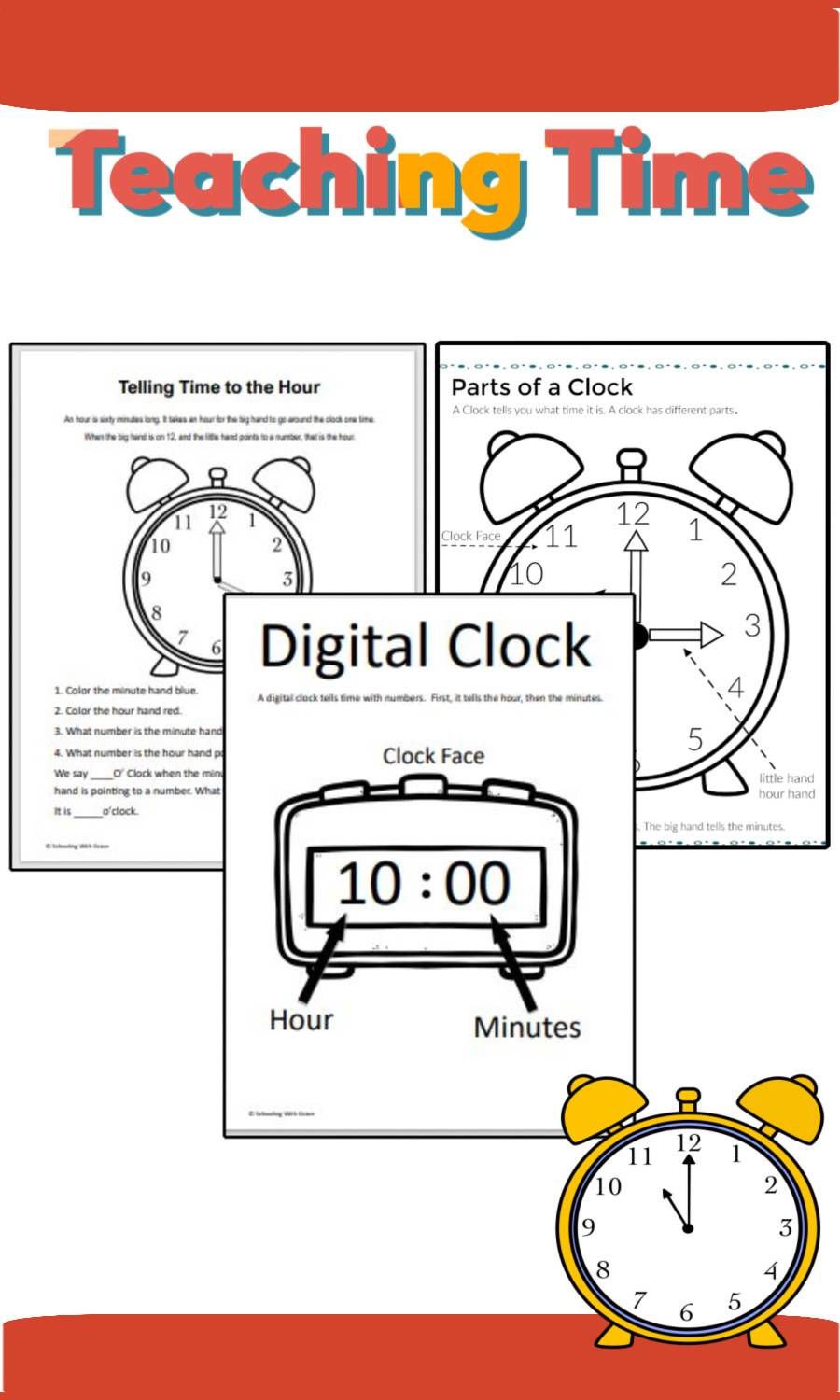
This is a great complete unit study about telling time.

Introduce Digital Clocks: While analog clocks are valuable teaching tools, it’s important to introduce digital clocks as well. Explain the similarities and differences between analog and digital clocks. Emphasize that digital clocks display time using numbers and are often found in devices such as smartphones and computers. Encourage children to compare and convert time between analog and digital formats.
Time-Related Vocabulary: Teach children time-related vocabulary, such as “hour,” “minute,” “o’clock,” “half-past,” and “quarter to.” Use visual aids and interactive games to help them understand and practice using these terms. Encourage students to use the vocabulary in their everyday conversations to reinforce their understanding.
More Math Resources
How to Teach Place Value
Teaching Patterns
Teaching Money with the Grocery Game

Angela is the Homeschool Encourager for the Overwhelmed & Under-Caffeinated and the Chaos-to-Confidence Specialist behind Schooling with Grace. With a no-fluff approach, a dash of humor, and a whole lot of heart, she helps homeschool moms cut through the chaos, ditch unrealistic expectations, and teach with confidence.