
6 Practical Steps to Raise Independent Learners in Your Homeschool
One of the most valuable gifts we can give our children is the ability to take ownership of their education. In the world of homeschooling, encouraging independence isn’t just a practical strategy—it’s a game-changer, especially for big busy families! Developing independent learners in a homeschool setting means raising kids who are self-motivated, curious, and confident in their abilities. It means shifting from being the center of your child’s learning to becoming a guide who cheers them on from the sidelines.
As an Amazon Associate, we earn from qualifying purchases. This site contains affiliate links see my disclosure here:
Whether you’re homeschooling one child or juggling multiple grade levels, fostering independence can ease your daily load and empower your kids to thrive. Weaning our children off of complete dependence on me for our schooling has allowed them to take more control of their day and given me ability to work alongside them on areas they are needing extra help with while giving me the freedom to manage other areas of our household more.
In this post, we’ll explore six practical steps you can take to help your homeschooler become a more self-directed learner. From creating checklists and teaching life skills to choosing the right curriculum and modeling independent habits yourself, these strategies will help you build a learning environment where your kids can flourish on their own terms.
Why Encourage Independence in Your Homeschool?
When your children have ownership over their schedule and workload, they are learning how to be self- motivated. It also teaches them time management and responsibility. Our children know what work is expected of them to get done, and they understand that if that work isn’t done by a certain time (for us, there are subjects we require to be done by 3:00 each day, and others by end of Friday) then there are consequences, like not getting to participate in activities or loosing screen time.
If you have a work from home parent or have a large family with multiple children being schooled, it just makes sense to encourage more independence with schoolwork.
“Whoever is doing the most work is doing the most learning.”)

Main Section: 6 Steps to Raise Independent Learners
1. Read to Them Daily
Reading aloud ignites curiosity and a love of learning and helps our children see the value in stories and leads to the desire to read independently.
2. Practice Copywork & Narration
The classical methods of doing copywork and narration help to build writing fluency and comprehension. Once your student fluent in reading and able to write on their own, this becomes an independent task.
3. Create a Workable Checklist
Visual checklists gives your student structure and autonomy. Work with them in the planning of their “to do” checklist so that they have ownership in their schedule and day. Don’t forget to discuss learning goals with them and any extra interest that want to pursue so that it can be added to their tasks.
If your student needs more than a checklist, having a planner to see everything laid out might be helpful.



4. Teach Life Skills
Don’t forget in the tasks of teaching independence that they need to also learn life skills. I would suggest that this skill almost outweighs most of what they will learn academically. Learning life skills like cooking, car maintenance, internship and, entrepreneurship help foster confidence and helps contribute and minimizes the workload on the family household.
Related Post: How to Homeschool and Manage a Household
5. Choose Curriculum Wisely
Let’s face it, there is just some curriculum choices that are not going to work with independent learning. We love All about Reading/Spelling, but it does not lend itself to independent work. If you have a curriculum that you love and don’t want to give up, set aside time blocks where you are available to work together.

Choose the curriculum you plan to use, based on your family needs. If you have large blocks of time to set aside for less self-directed learning, then you can use curriculum like Singapore Math or some Apologia Sciences. If not, you may want to consider video or online based curriculum for those core subjects.
6. Model Independent Learning Yourself
Kids emulate what they see. If they see you pursuing hobbies and tasks that are productive instead of passive they will do the same. We want to teach our children to be producers and not just consumers. Teaching them how to be independent learners sets them up to be more productive and contributing adults later in life.
Still Make Time for One-on-One and Group Learning
Just because you are teaching your children how to be independent does not mean they are left to their own vices each day. I have actually known several homeschool families that found themselves in a predicament when they hadn’t been checking in on their children’s schoolwork only to find out that they were weeks and even months behind. It’s important that we homeschool with integrity. Keeping up with our kids schooling is important.
One-on-One Check-Ins
You ARE your child’s teacher, not just their parent. It’s important that you continue to stay involved as the facilitator of their education as well as their guide when you see them going off track.
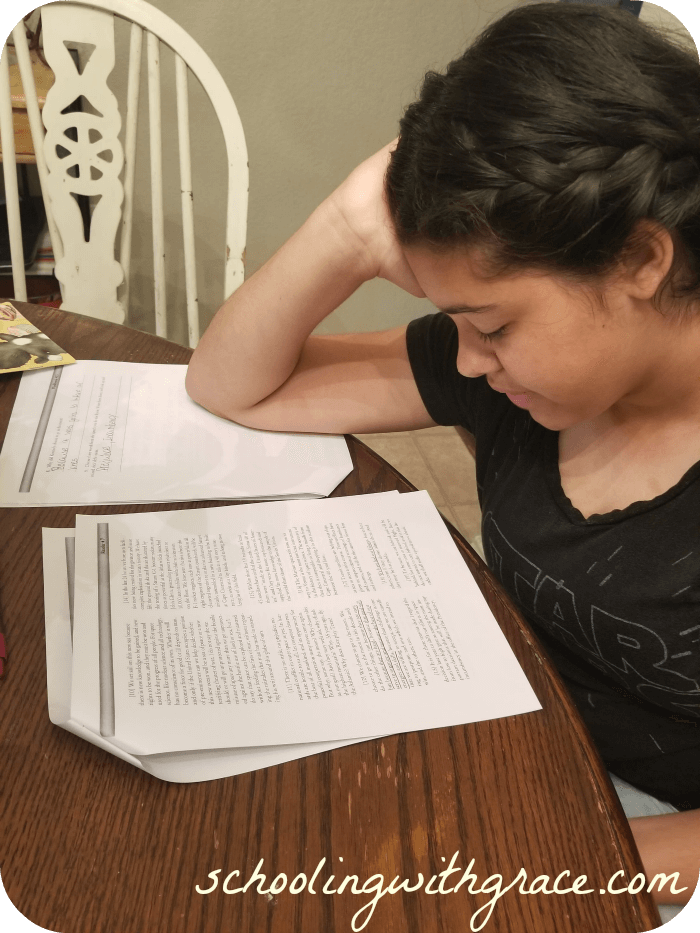
Do quick and easy check-ins throughout the day. Discuss what they are learning, review their checklist and talk about next steps. If there are papers that need looked over or tests that need graded, do that in a timely manner so that you know where they need help.
Group Work is Still Valuable
Don’t necessarily give up your morning basket time if that is a part of your homeschool routine and family culture. These times are still valuable for read-alouds, history, memory work, bible study and anything else that you have found is helpful to do together. I’m a big believer in doing things that create memories and unity as a family.
When Are Kids Truly Independent?
I don’t think you should ever have a completely hands off approach to your child’s education. But by the time they are around 10 (in most cases) they are capable of taking on much of their own learning. Keep in mind that every child is different, it’s important to meet them where they are and work towards being more independent. Several of ours were much more independent at an early age than others. It took one of our children a long time to be able to complete most of their schoolwork on their own.
Encouraging independent learners in your homeschool doesn’t mean stepping away—it means stepping back just enough to let your kids grow. With the right tools, structure, and support, your children can gain confidence, take ownership of their work, and become lifelong learners. Remember, independence looks different for every child and develops at its own pace. Celebrate progress, stay flexible, and don’t be afraid to tweak what isn’t working. Your role may shift, but your presence is still essential.
What strategies have helped your kids become more independent learners? Share your tips in the comments—we’re all learning together!

Angela is the Homeschool Encourager for the Overwhelmed & Under-Caffeinated and the Chaos-to-Confidence Specialist behind Schooling with Grace. With a no-fluff approach, a dash of humor, and a whole lot of heart, she helps homeschool moms cut through the chaos, ditch unrealistic expectations, and teach with confidence.