
How to Keep Your Easily Distracted Student Engaged
I’m sure there has never been a teacher that hasn’t struggled to keep their students engaged. Homeschool moms are no different. If I turn my back, I may find one of my kids under the table or making figures out of spit and paper. {gross} It’s hard to keep them focused and even harder to keep myself from being frustrated. If you are looking for help on how to keep your easily distracted student engaged, try a few of these strategies on for size.

For your easily distracted student, make easy changes
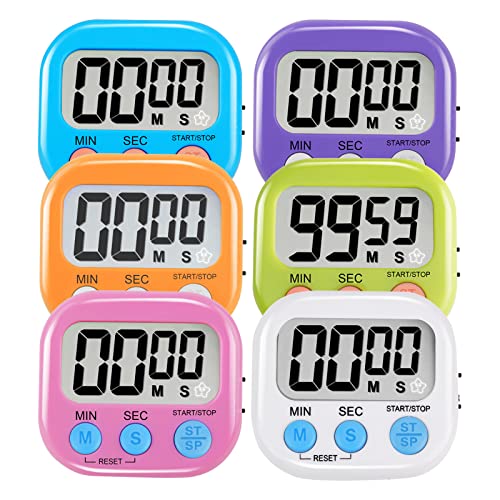
1. Set a timer. This has worked for pretty much everything at our house. My kids LOVE a challenge. If I tell them they only have 15 minutes to finish their math lesson, they tend to stay focused and on task.



2. Break the lessons up into shorter lessons. If they start to get bored or antsy, maybe the lesson is too long. Try splitting it up into 2 days or just take a break in between.
3. Do the hard subjects first. Math always initiates groaning at my house. I found that if we do it first thing in the morning- even before our devotional time, it helps alleviate some of the frustration. We used to wait until the end of our school day because it allowed for more flexibility with me helping them, but that just wasn’t working out for us, by the end both of us were ready to be done with school.
4. Take Breaks. When a lesson is long or I see that they are starting to lose interest, I have them take a break, get a drink of water or snack and do some kind of quick exercise like jumping jacks or running in place. Studies have proven that doing exercises like the grapevine or any movement that requires crossing of body parts, helps with brain engagement.
Keep them engaged by using a multi-sensory approach
1. If you are doing a read aloud, mix it up and get the audio version every now and then. It’s so fun when there are sound effects and different voices to listen to.
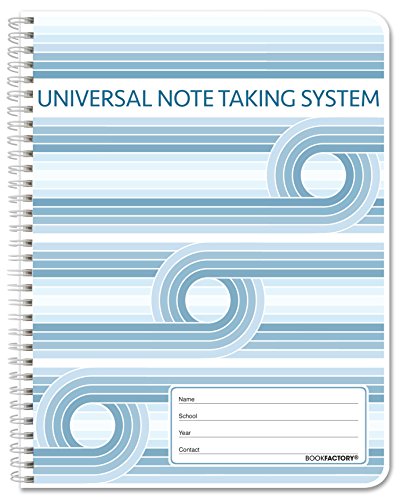
2. Have your students take notes while you are teaching. This keeps them busy and helps them recall facts. Even if it’s just one or two things they are jotting down, it teaches them to listen critically.
I love these note taking supplies:



3. If you are teaching history, have your students draw a picture of what is happening.
4. Include a craft to go along with the lesson. While my son may not enjoy crafts, my daughters love it when I add crafts to our lesson.
5. Jot notes on the lesson on a whiteboard or chalkboard. Sometimes students need to see an organized visual of what is being talked about so that they can organize it in their minds.

6. When the lesson is over have them give an oral report, or make a comic book style drawing of the events or do a story web. One of my children’s favorite things to do is to create a Lego video retelling of our history lesson. You can see one that they did here.
Remove Distractions
1. This can be near impossible if you homeschool more than one child. But if you have a student who struggles with being distracted, make sure he/she is doing school in a quiet room with little around him/her.
2. If being alone isn’t a possibility, create a mini cubical out of three file folders taped together. Or purchase a small display board.

3. Place only the necessary materials for their schoolwork or lesson around them.
Keep in mind that sometimes kids are distracted and not engaged because they don’t understand the work. Maybe they are rushing through it and not taking care, because they are struggling with the subject matter. Make sure you are checking for understanding often.
Help your student make connections with real life
1. I don’t know about you, but I often hear “why do I need to know this?” “Why is this important” Our children need to know the “why” behind what they are doing. Math is an easy one to explain. It’s all around us! Give them real life examples of when you use it and how. We are currently talking about early American history, it’s fun to point out the significance of the decisions that our early forefathers made in light of the election.
2. When you are reading a story, help them see how the struggles of the characters relate to their own life. Ask questions like “Who does this character remind you of” or “Can you think of a time that you saw someone else do the same thing?”
Related Post: How to Test your students without actually “testing” them.
Keep a Routine
If you have a child that struggles to be engaged or is easily distracted then a routine is probably going to be important to them. If you have a schedule that is never the same, maybe you start school at 9 on Mondays and 10:30 on Wednesdays but you don’t do school on Thursdays because that’s your errand day, that could cause some unknown frustration to the distracted child. It will be harder for him to understand the importance of school and not complain about the time when he is expected to be sitting still and learning.
Do you need help creating a morning routine that works? Check out this post.
Proximity matters
I am guilty of trying to get school work and housework done at the same time. I start a lesson then walk away to load dishes or throw in a load of laundry. But if I’m gone for longer than a few minutes I can count on hijinks happening among my children. I try not to leave during subjects that they tend to be easily distracted with, such as math at our house. I have one child that needs a lot of reassurance from me during her tough subjects, so I try to sit close and grade papers or check work while she works so that I can keep her on task and be there to help if needed.
I’m not a huge fan of awarding children for doing what they know to be right, but there are some students that need an extra dose of encouragement. On hard days I might offer extra screen time for staying on task, or a small treat. If you have a child that you really struggle to keep engaged you could create a sticker chart . You would place a sticker if they remained on task after every subject or if they need more immediate rewards you could choose a time limit and reward at determined increments.
Every day is different at our house, and I’m sure yours as well. I’m constantly having to change strategies to keep my kiddos engaged in what we are doing. Some days run smoothly and I don’t even have to think about it, and some days I’m pulling out all the stops to keep them focused.
Are you already using any of these techniques with your children or is there something else that works for your family?


Angela is the Homeschool Encourager for the Overwhelmed & Under-Caffeinated and the Chaos-to-Confidence Specialist behind Schooling with Grace. With a no-fluff approach, a dash of humor, and a whole lot of heart, she helps homeschool moms cut through the chaos, ditch unrealistic expectations, and teach with confidence.