
Mastering Multiplication Facts
Do you remember the days when math was just about counting your fingers and toes? Back in those good ol’ kindergarten days! Fast forward to today, and your students find themselves staring at a multiplication table, wondering if those numbers are conspiring against them. In this post, we’ll uncover effective, engaging, and entertaining methods to help your students master their multiplication facts that will leave kids asking for more. Let’s transform multiplication from a daunting math task into something fun.

Why is it hard to learn Multiplication Facts?
I have been teaching children now (including my own) for the last 20 years and there has not been anything harder for me to teach then multiplication facts. For a few children it is simply lack of motivation, but for others, research indicates that the following factors contribute to the difficulties:
1. Lack of Basic Understanding
One common issue is a lack of basic understanding of the concept of multiplication. Some students struggle with grasping the idea of repeated addition, which is the core of multiplication. They may not see the connection between addition and multiplication.
2. Memorization Challenges
Memorizing multiplication tables can be tedious and overwhelming, especially for young learners. The pressure to memorize a large set of facts can lead to anxiety, making the process more challenging.
3. Abstract Nature of Multiplication
Multiplication involves working with abstract numbers, unlike addition and subtraction, which are more concrete. This abstract nature can be harder to grasp for some students, leading to difficulties in multiplication.
Now that we’ve pinpointed the challenges, let’s explore some fun ways to tackle them and make learning multiplication facts an exciting adventure.
Related Post: Teach Math Facts to Struggling Students
This post may contain affiliate links see my disclosure here
1. Multiplication Bingo
Bingo is a classic game that never fails to capture the attention of children. Adapting it to multiplication facts adds an element of fun and competition while reinforcing learning.
How to Play:
- Create Bingo cards with a 5×5 grid, filled with multiplication problems instead of numbers. For example, “3 x 4.”
- Instead of calling out numbers, the teacher or parent calls out the product of two numbers, like “12.”
- Students mark the correct multiplication problem on their cards if they have it.
- The first student to complete a row, column, or diagonal shouts “Bingo!” and wins the round.
This game not only encourages multiplication practice but also improves concentration and pattern recognition.


2. Math Fact Jeopardy
Give your students the opportunity to test their multiplication knowledge in a game-show-style setting. Math Fact Jeopardy makes learning math facts a thrilling experience.
How to Play:
- Create a Jeopardy-style game board with different categories, each containing multiplication problems of varying difficulty.
- Divide the students into teams.
- Each team takes turns selecting a category and a point value. The teacher or parent reads the corresponding multiplication problem, and the team must provide the correct answer in the form of a question, just like in the classic TV show.
- If the team answers correctly, they earn the chosen points.
- The team with the most points at the end of the game wins.
Math Fact Jeopardy encourages critical thinking and teamwork while reinforcing multiplication facts.
Related Post: Games that Teach Math Facts
3. Multiplication Art
Combine math with creativity to make learning multiplication facts an artistic adventure. Creating visual representations of multiplication problems helps students understand the concept and memorize facts more effectively.
How to Create Multiplication Art:
- Provide students with a multiplication problem, such as “4 x 6.”
- Instruct them to draw a visual representation of the problem. For this example, they might draw four rows with six dots in each row.
- Encourage students to color and decorate their creations, making the process enjoyable.
- Discuss the visual representation with the students to ensure they understand the connection between the picture and the multiplication fact.
Multiplication art transforms abstract concepts into concrete visuals, making math facts easier to grasp.
4. Multiplication Stories
Storytelling is a powerful educational tool, and it can work wonders for teaching multiplication facts. Create engaging narratives that revolve around multiplication problems to make learning more enjoyable.
How to Create Multiplication Stories:
- Select a multiplication problem, like “7 x 8.”
- Craft a story that incorporates the numbers and the multiplication process. For example, “Seven brave knights faced eight mighty dragons.”
- Encourage students to visualize the story while solving the problem.
- Ask questions about the story to ensure comprehension and retention of the math fact.
Multiplication stories make math facts memorable and relatable, helping students connect with the numbers on a personal level.
Times Tables the Fun Way Book for Kids: A Picture Method of Learning the Multiplication FactsOrchard Toys Moose Games Times Tables Heroes. an exciting Multiplication Game, Superhero Play. for Ages 6-9 and for 2-4 Players


5. Multiplication Apps and Games
In today’s digital age, educational apps and games are abundant. Many of these are designed to make learning multiplication fun and interactive. These apps often include animations, challenges, and rewards to engage students in the learning process.
Examples of Multiplication Apps:
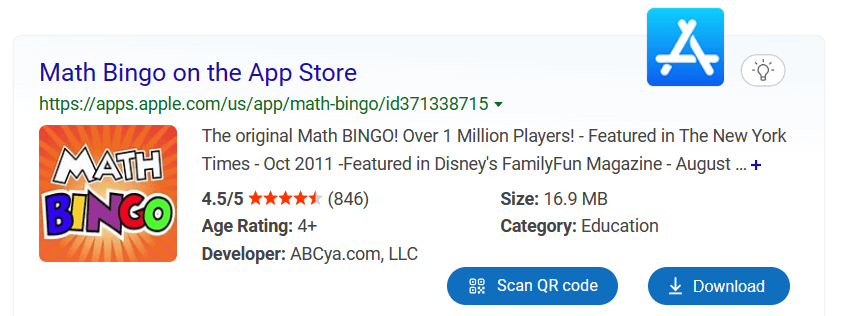
- “Math Bingo”: An app that combines Bingo with math problems to create an enjoyable learning experience.
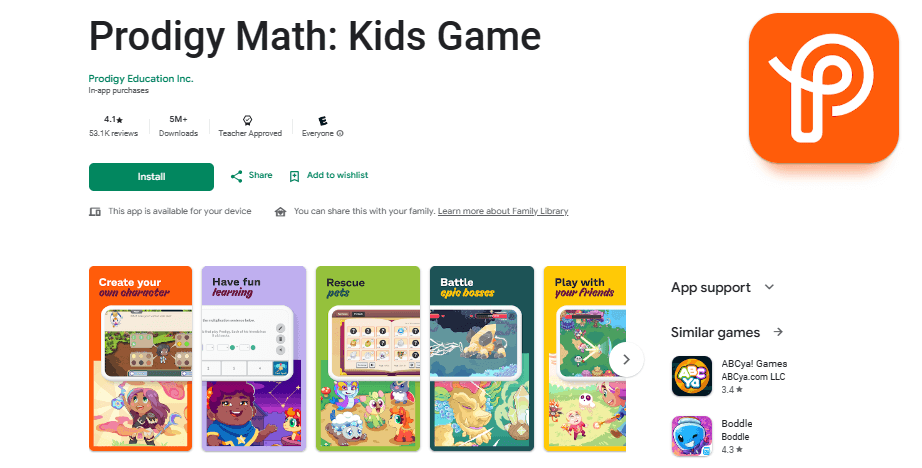
- “Prodigy”: A game-based learning platform that includes multiplication challenges within an engaging fantasy world.
- “Math Vs Zombies”: A game where students use multiplication to defeat zombies, adding an element of excitement to math practice

6. Multiplication Puzzles and Riddles
Puzzles and riddles provide a playful way to reinforce multiplication facts. Students love the challenge and the sense of accomplishment they get from solving them.
How to Use Multiplication Puzzles and Riddles:
- Create or find puzzles and riddles that involve multiplication problems.
- Provide clues or hints for each puzzle.
- Encourage students to solve the puzzles by figuring out the multiplication fact.
- Offer rewards or recognition for those who successfully solve the most puzzles.
Puzzles and riddles not only enhance multiplication skills but also stimulate problem-solving abilities.
Learning Resources tri-FACTa Multiplication & Division Game, Homeschool, Math Game, 2-4 Players, 104 Piece Set, Ages 8+LEARNING WRAP-UPS SELF-CORRECTING Multiplication Keys, Self Correcting Math Tool for Kids Grade Level 2-6, Yellow, (K103-SB)
Trend Enterprises: Multiplication & Division Bingo Game, Exciting Way for All to Learn, 2 Games in One! Play 8 Different Ways, Great for Classrooms and at Home, 2 to 36 Players, for Ages 9 and Up
Teacher Created Resources Edupress EP63953 Math Splat Game: Multiplication
Learning Resources Multiplication Swat!, Ages 6+


Why These Multiplication Methods Work
The above methods are effective in teaching multiplication facts because they address the challenges students face while making learning enjoyable. Here’s why they work:
- Engagement: Games and creative activities capture students’ attention and keep them engaged in the learning process.
- Relevance: Visual representations, stories, and real-life applications make multiplication facts more relatable.
- Practice: Repetition is key to memorizing multiplication facts, and these methods encourage practice in a fun way.
- Variety: Using a combination of methods ensures that different learning styles and preferences are catered to.
In conclusion, teaching multiplication facts doesn’t have to be a tedious task. By incorporating games, creativity, and storytelling, we can turn a challenging subject into an enjoyable adventure. These methods not only improve students’ math skills but also foster a love for learning that extends beyond the realm of math. So, let’s make math facts memorable and fun, one multiplication problem at a time!
Books about Multiplication
Arctic Fives ArriveThe Best of Times: Math Strategies that Multiply
7 x 9 = Trouble!
Multiplying Menace byCalvert
The Lion’s Share
Bean Thirteen


Fun Math Activities
Are you looking for more math activities to teach different kinds of math concepts? Check out these posts below.
Teach Place Value with Games and Activities
Teach and Practice using Money with the Grocery Game
Teach Patterns with this fun Game
Teach Elementary Statistics with Skittles!

Angela is the Homeschool Encourager for the Overwhelmed & Under-Caffeinated and the Chaos-to-Confidence Specialist behind Schooling with Grace. With a no-fluff approach, a dash of humor, and a whole lot of heart, she helps homeschool moms cut through the chaos, ditch unrealistic expectations, and teach with confidence.