
Types of Homeschooling
If you are a new homeschooler, there are so many different options out there that can be overwhelming when you are trying to make the best decisions for your family. Homeschooling isn’t what it once was, nowadays there are many different choices and types of homeschooling that allow for a personalized and flexible education that can be tailored to your family.
As an Amazon Associate, we earn from qualifying purchases. This site contains affiliate links see my disclosure here:
Traditional Homeschooling
Traditional homeschooling closely resembles the structure and methods used in public and private schools. It provides a familiar framework, making it a comfortable starting point for many families.
Key Characteristics of Traditional Homeschooling
- Structured Curriculum: Traditional homeschooling typically uses textbooks, workbooks, and planned lessons similar to those found in traditional schools. This provides a clear roadmap for learning.
- Grade Levels: Subjects are often organized by grade level, allowing for easy comparison to traditional school progression.
- Scheduled Learning: Many traditional homeschoolers follow a daily or weekly schedule, with specific times dedicated to different subjects.
- Formal Assessments: Tests, quizzes, and assignments are used to assess learning and track progress.
- Subject-Based Approach: Learning is often divided into distinct subjects like math, science, language arts, and history.
Some popular Curriculum options for Traditional Homeschooling
- Abeka
- Saxon
- Bob Jones
- Apologia




Benefits of Traditional Homeschooling
- Familiarity: The structure and methods are similar to what parents experienced in their own education, making it easier to implement.
- Organization: A clear curriculum and schedule provide a sense of order and predictability.
- Easy to Track Progress: Formal assessments make it easy to monitor a child’s understanding and identify areas needing more attention.
- Preparation for Standardized Tests: The structured approach can help prepare students for standardized tests if needed.
- Abundant Resources: There’s a wide range of traditional homeschooling curricula and materials available
Related Post: 5 Honest Questions to Ask Yourself Before you Begin Homeschooling
Classical Homeschooling
Classical homeschooling draws inspiration from the educational methods of ancient Greece and Rome. It emphasizes a three-part process called the Trivium, designed to cultivate critical thinking, strong communication skills, and a lifelong love of learning.
The Three Stages of the Trivium
- Grammar Stage (Elementary Years): This stage focuses on absorbing facts and building foundational knowledge. Think memorization of math facts, historical dates, grammar rules, and vocabulary. Children are like sponges, soaking up information across various subjects.
- Logic Stage (Middle School Years): In this stage, children learn to analyze information, think critically, and form their own arguments. They start questioning why things are true, exploring cause and effect, and engaging in debates.
- Rhetoric Stage (High School Years): Students learn to express themselves effectively through writing and speaking. They master the art of persuasion, learn to communicate complex ideas with clarity, and develop their own unique voice.
Key Elements of Classical Homeschooling
- Emphasis on Language: Classical education often includes a strong focus on language learning, including Latin and sometimes Greek. This helps students understand the structure of language and enhances their vocabulary.
- Great Books: Classic literature plays a central role, exposing children to timeless ideas and masterful writing.
- History as a Narrative: History is taught chronologically, helping students understand the flow of events and how they connect.
- Socratic Method: Teachers use questions to guide students to discover answers for themselves, fostering independent thinking.
Resources for Classical Learning
Classical Conversations
Memoria Press: Short Stories and Poetry


Related Post: The Essential Homeschool Supply List Every Homeschooler Needs
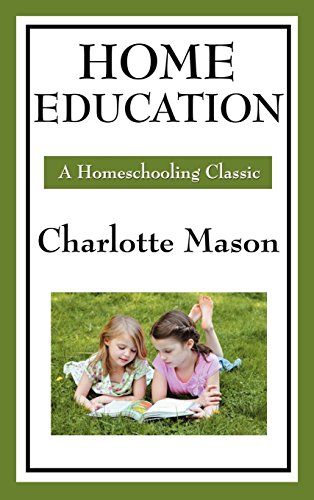
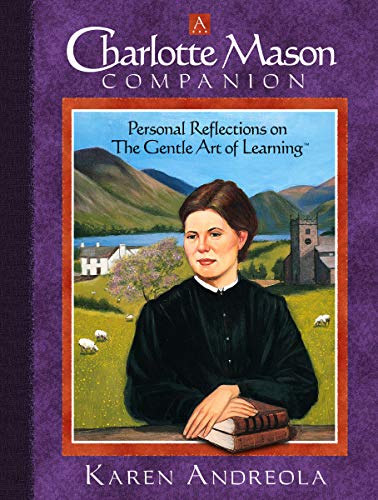
Charlotte Mason Method
Charlotte Mason (1842-1923) was a British educator who believed that children are born persons and deserve respect. Her method emphasizes a holistic education that feeds the mind, body, and soul.
Key Principles of the Charlotte Mason Approach
- Living Books: Instead of dry textbooks, Charlotte Mason favored “living books” — engaging, well-written books by authors passionate about their subjects. These books bring learning to life and inspire a love of reading.
- Narration: This is a core technique where children retell what they’ve learned in their own words, helping them process information deeply and develop language skills.
- Short Lessons: Charlotte Mason believed in focused attention spans. Lessons are kept short and varied to prevent boredom and maximize engagement.
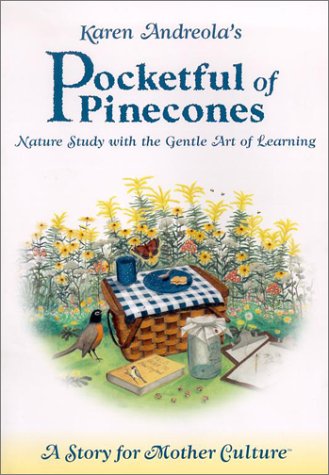
- Nature Study: Spending time outdoors is essential. Children are encouraged to observe, explore, and connect with the natural world through nature walks, journaling, and drawing.
- Art and Music Appreciation: Exposure to great artists and composers cultivates a sense of beauty and enriches the child’s inner life.
- Habit Training: Developing good habits like attention, obedience, and truthfulness is considered crucial for character development.
Benefits of the Charlotte Mason Method
- Fosters a Love of Learning: The emphasis on engaging materials and varied activities makes learning enjoyable.
- Develops Critical Thinking: Narration and discussion encourage children to think deeply about what they are learning.
- Nurtures Creativity and Imagination: Exposure to art, music, and nature inspires creativity.
- Promotes a Well-Rounded Education: The Charlotte Mason approach addresses the whole child, not just their academic abilities
Charlotte Mason Resources


Montessori Homeschooling
Developed by Dr. Maria Montessori, this method views children as naturally eager learners. It emphasizes observation, exploration, questioning, and experimentation. The goal is to cultivate a lifelong love of learning and help children reach their full potential.
Key Principles of Montessori Homeschooling
- Prepared Environment: The learning space is carefully organized with child-sized furniture and accessible materials that encourage exploration and independence.
- Sensory Learning: Hands-on activities using specially designed Montessori materials engage children’s senses and help them grasp abstract concepts concretely.
- Freedom within Limits: Children choose their activities within a structured environment, fostering self-direction and responsibility.
- Sensitive Periods: Montessori recognized that children have sensitive periods for learning specific skills. The curriculum is designed to align with these periods.
- Practical Life Activities: Everyday tasks like pouring, buttoning, and cleaning are incorporated to develop fine motor skills, coordination, and independence.
- Auto-education: Children are encouraged to learn at their own pace, guided by their interests and inner drive.
Benefits of Montessori Homeschooling
- Fosters Independence: Children learn to take initiative and solve problems on their own.
- Develops a Love of Learning: The child-centered approach allows learning to be driven by curiosity and joy.
- Enhances Concentration: Working with Montessori materials promotes focus and attention to detail.
- Cultivates Self-Discipline: Freedom within limits helps children develop self-control and responsibility.
Resources for Montessori Learning


Unschooling
Unschooling, also known as interest-led learning or child-led learning, takes a radical approach to education. It rejects the traditional structure of schooling and trusts that children learn best through self-directed exploration and real-life experiences.
Key Principles of Unschooling
- Learning is Everywhere: Unschooling families believe that learning happens naturally throughout life, not just in a classroom setting. Everyday activities, conversations, travel, and hobbies all become opportunities for learning.
- Child-Led Learning: Children’s interests are at the center of unschooling. They choose what they want to learn, when they want to learn it, and how they want to learn it.
- No Curriculum: Unschooling generally doesn’t follow a set curriculum. Learning is driven by curiosity, exploration, and the child’s natural desire to understand the world.
- Trust in the Learning Process: Unschooling parents trust that their children will learn what they need to know when they need to know it. They provide resources, support, and encouragement, but they don’t force learning.
- Real-Life Experiences: Unschooling often involves a lot of real-world learning, such as field trips, apprenticeships, volunteering, and travel.
Benefits of Unschooling
- Intrinsic Motivation: Unschooling fosters a love of learning that comes from within.
- Self-Directed Learning: Children develop strong self-management skills, including time management, goal setting, and problem-solving.
- Creativity and Curiosity: Unschooling encourages children to follow their passions and explore their interests without limitations.
- Strong Family Bonds: Unschooling often leads to close family relationships as parents and children spend more time together pursuing shared interests.
Resources for Unschooling:
John Holt the Unschooling Pioneer
Eclectic Homeschooling
This approach combines elements from different homeschooling methods. It allows families to customize their curriculum and teaching style based on their child’s needs and interests. There may be a blend of any of the different types of homeschooling and it could change from subject to subject and from year to year.
- Offers flexibility and customization
- Allows for a variety of learning experiences
- May require more research and adaptation
Online School or Virtual learning
Online schooling provides a structured learning environment with digital curriculum and instruction delivered via the internet. This option offers flexibility and can be fully online or blended with in-person elements. There are so many choices for online learning. Whether you are going with a whole program like Abeka’s online program or K12 just taking a few classes.
- Offers flexibility and convenience
- Provides access to a wider range of courses and resources
- Requires reliable internet access and technology proficiency
Resources for Online or Virtual Learning
Choosing the Right Homeschooling Type
The best homeschooling type for your family will depend on several factors, including your child’s learning style, your family’s lifestyle, and your educational goals. Most importantly, you are going to want to find a style that both you and your child will be successful at. If you know you need structure than a traditional, classical or online option is probably going to be best. If your family loves the idea of things always being new and your interests change a lot, then an eclectic or unschooling approach might be best. If you are outdoorsy or learn better by doing then Charlotte Mason or Montessori may be the perfect fit for you.
Tips for Choosing a Homeschooling Type:
- Research different methods
- Consider your child’s learning style
- Evaluate your family’s lifestyle
- Set clear educational goals
- Be flexible and willing to adapt
Remember, there is no one-size-fits-all approach to homeschooling. The most important thing is to find a method that works best for your family and provides your child with a positive and enriching learning experience.

Angela is the Homeschool Encourager for the Overwhelmed & Under-Caffeinated and the Chaos-to-Confidence Specialist behind Schooling with Grace. With a no-fluff approach, a dash of humor, and a whole lot of heart, she helps homeschool moms cut through the chaos, ditch unrealistic expectations, and teach with confidence.