
Unlocking Early Literacy: Exploring Beginning Letter Sounds
Literacy is a fundamental skill that lays the foundation for a child’s academic success and personal growth. Among the various components of literacy, mastering beginning letter sounds is a crucial milestone. Understanding and recognizing these sounds empower young learners to decode words, develop vocabulary, and eventually become fluent readers. We are going to delve into the importance of beginning letter sounds and explore effective strategies to help children grasp this essential skill.
Why are Beginning Letter Sounds Important?
Beginning letter sounds, also known as initial sounds, refer to the sounds that correspond to the first letters of words. They play a vital role in developing phonemic awareness, which is the ability to identify and manipulate individual sounds in spoken words.
Check out this post on Teaching Phonemic Awareness
Why is this an important literacy skill?
- Decoding Skills: By recognizing the initial sounds in words, children can decode unfamiliar words more easily. This ability helps them read and comprehend texts with greater fluency.
- Vocabulary Expansion: Understanding beginning letter sounds aids in expanding a child’s vocabulary. It enables them to make connections between spoken and written language, facilitating word learning and comprehension.
- Spelling and Writing: Proficiency in initial sounds lays the groundwork for spelling and writing. When children can identify the first letter sound in a word, they can begin to write it and spell it correctly.
Strategies for Teaching Beginning Letter Sounds:
Now that we understand the importance of beginning letter sounds, let’s explore how to help children master this skill:
- Letter-Sound Associations: Introduce individual letters of the alphabet and their corresponding sounds gradually. Use engaging activities, such as letter-sound matching games, flashcards, or interactive apps and websites like Starfall, to reinforce these associations.

- Phonemic Awareness Activities: Engage children in various phonemic awareness activities that focus on identifying initial sounds. Play “I Spy” games, where children listen for the initial sound of objects in their environment or a game like ABC Go fish encourage them to sort pictures based on their beginning sounds.
- Songs and Rhymes: Incorporate songs and rhymes that emphasize beginning letter sounds into your teaching. Songs like the “ABC Song” or “The Ants Go Marching” can be powerful tools for reinforcing letter-sound relationships in a fun and memorable way.
- Picture Sorting: Provide children with a collection of pictures and ask them to sort them based on their initial sounds. This activity not only helps develop phonemic awareness but also strengthens vocabulary and categorization skills.
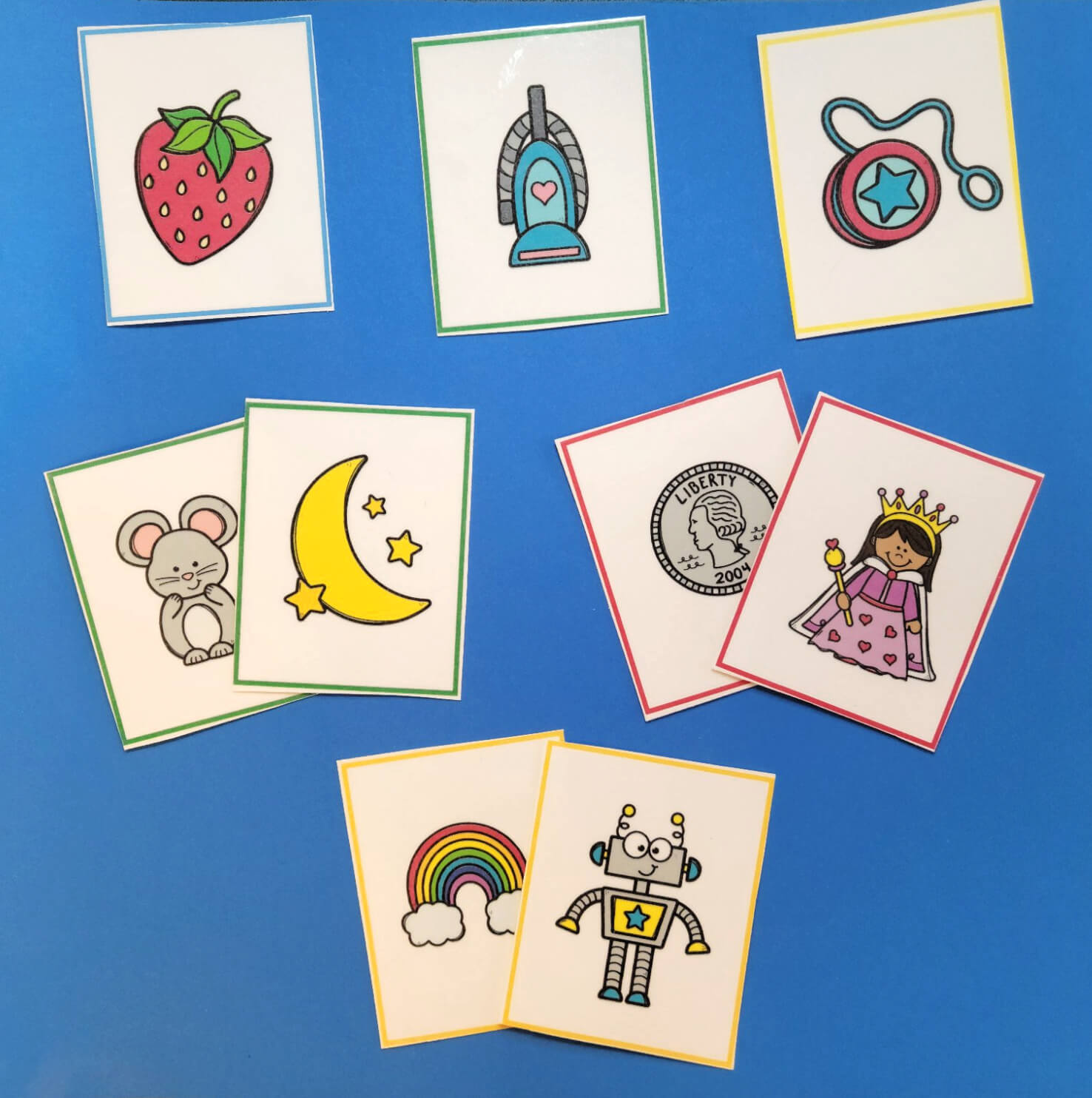
- Letter Sound Centers: Set up interactive learning centers where children can explore beginning letter sounds independently. These centers can include activities like matching letter cards to corresponding objects or sorting pictures based on their initial sounds.
- Read Alouds: Read aloud to children and emphasize the initial sounds of words as you go. Pause and encourage children to identify the beginning sound of specific words, making it an interactive and engaging experience.


7. Multi-Sensory Approaches: Incorporate multi-sensory techniques to cater to different learning styles. For example, have children trace letters in sand or form them using playdough while simultaneously pronouncing the corresponding sounds.
Developing strong letter sound recognition is a critical step in a child’s journey towards literacy. By providing ample opportunities for practice and using engaging and interactive strategies, you can help your child build a solid foundation in phonemic awareness. Remember, the ability to recognize and manipulate beginning letter sounds opens doors to reading, writing, and language development, equipping children with the tools they need to become confident and proficient readers.

Angela is the Homeschool Encourager for the Overwhelmed & Under-Caffeinated and the Chaos-to-Confidence Specialist behind Schooling with Grace. With a no-fluff approach, a dash of humor, and a whole lot of heart, she helps homeschool moms cut through the chaos, ditch unrealistic expectations, and teach with confidence.