
10 Fun Ways to Keep Summer Learning Going
Summer is all about slowing down, soaking up the sun, and making memories—but for many of us homeschool moms, there’s always that little worry in the back of our minds: Will my kids forget everything they’ve learned? The good news? Summer learning doesn’t have to look anything like your regular school routine. In fact, it shouldn’t! Kids are wired to learn through play, discovery, and real-life experiences—and summer is the perfect time to lean into that.

As an Amazon Associate, we earn from qualifying purchases. This site contains affiliate links see my disclosure here:
Whether you’re a year-round homeschooler or you take a full break, weaving in a little intentional learning here and there can keep young minds sharp without a single worksheet in sight. From backyard adventures to kitchen experiments, I’m sharing 10 fun and easy ways to keep your kids engaged all summer long. These activities are designed to be simple, screen-free, and—most importantly—fun. Let’s make this summer one where learning feels effortless!
Go on a Backyard Nature Hunt
My kids have always loved hunting for bugs and other creepy crawlies, especially after a good rainstorm. Expand your children’s natural curiosity for nature with a fun nature hunt right in your backyard! Send your kiddos outside to look for bugs, special kinds of rocks, and fun leaves and flowers. Keep this going all summer long by including a nature journal like one of these and send them outside when they get “bored.”
Skills they will use: Observation, Science, Critical Thinking



Kitchen Science Experiments
We do so much fun baking in the summer. This is the perfect time to experiment with fun kitchen ideas. Allow your kids the freedom to get the kitchen a little messy for the sake of science. Make homemade ice-cream, Lemon Volcanos like this one from Kid Minds, or Make Butter

Skills they will use: STEM concepts, following directions
Reading Picnics
Having reading picnics was always our go to activity when we needed a morning or day off of school. This can either be done in the middle of your living room, your backyard or take it on the road to a park. Spread out a blanket with lots of pillows, a few fun snacks and books. Lots of books. Sometimes we would have a theme day, like space or bugs, and all our books revolved around that subject, but mostly it was a mix between fiction and non-fiction random books.
This would be even more fun if you grabbed some friends and did a group reading picnic for a morning or afternoon.

Skills they will use: Literacy, comprehension, discussion
Storytelling and Puppet Shows
Our children have always loved performing for us. From the time they were little they enjoyed creating short scripts and acting them out. We have a very fun recording of a silly play all the cousins put on when they were very little and it continues to be entertainment for us at family gatherings.
Grab some puppets or stuffed animals and set up a makeshift puppet show and let their imagination run wild. If they need help getting started, encourage them to change the endings of popular fairy tales.


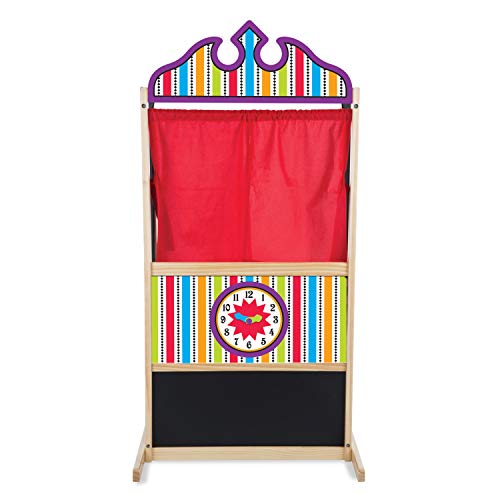

Skills they will use: Creativity, language arts, public speaking
DIY Math in the Real World
My favorite way to use real world math is to give our kids a budget, have them plan out the meals for the week and then to take them shopping. You could also use something like this “Let’s Go Shopping” activity. Other great ideas is to have a yard sale and let your kiddos run it, let them do a lemonade stand, bake cookies or a cake and let them practice measurements and following directions, build a pretend store at home and let them act out shopping and paying for items with real or pretend money.

Skills they will use: Practical Math and Problem Solving
Gardening Together
We haven’t had a garden since moving into our current home, but gardening has always been a family activity. From the planning to the planting and the harvesting, our kids have learned so much about plants, beneficial and bad insects, soil amendments, composting, measuring plant growth and more! I’m not sure there is another topic that encompasses all the subject areas like the topic of gardening.


Skills they will Use: Life science, responsibility, patience
Field Trip Fridays
Field trip Fridays are not just for the school year. Field Trip Fridays are a great way to keep summer exciting while sneaking in plenty of learning. Each week, pick a new local spot to explore—think museums, nature centers, botanical gardens, zoos, or historical landmarks. Even a simple visit to a farmer’s market or fire station can spark curiosity and great conversations. To make it extra meaningful, give your kids a small notebook to jot down interesting facts, sketch what they see, or write a mini review of their favorite part of the day. Not only are you making memories together, but your kids are also expanding their understanding of the world around them in a hands-on way.
Skills they will Use: Geography, history, observation
Art Attack Days
Having specific days set aside where your kiddos can express themselves through art is an easy way to get them away from screen time. One summer me and some moms put together a summer art club. We started the time with a video about a famous artist (this series would be so fun!) and then the kids created art in a similar style to the artist. But no club is needed, Set up a mini outdoor art studio with sidewalk chalk, watercolors, or clay, and let the imagination flow. Nature offers endless inspiration—encourage your kids to gather leaves, flowers, or rocks to incorporate into their creations.
The best part? There’s no right or wrong way to do it—just messy, colorful fun that builds fine motor skills, sparks joy, and lets kids see themselves as artists. Plus, keeping the mess outside is a win for parents too!
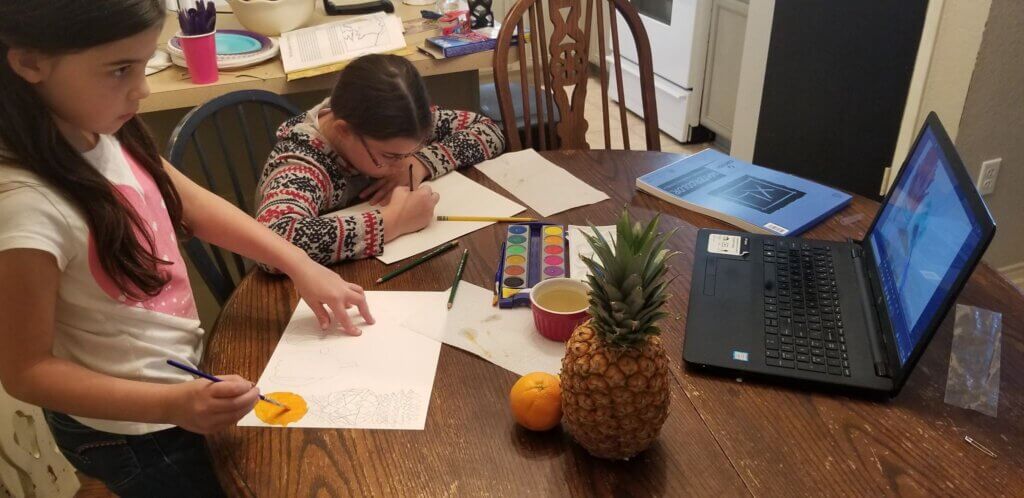
Skills they will use: Fine Motor, Creative Expression
Build Something
I have great memories of building living room forts as a kid. Rainy days were the best, we used up all the sheets in the house. Set aside certain days throughout the summer and call them your “Build Something” Days. Have different options, Legos, forts, cardboard cities, birdhouses, insect homes… etc.
Skills they will Use: Engineering, design and collaboration
Digital learning with Limits
While summer is the perfect time to unplug and get outside, there’s no denying that a little screen time can be both fun and educational when used wisely. Digital Learning with Limits means setting clear boundaries but still taking advantage of quality apps, videos, and online resources. Programs like Mystery Science, National Geographic Kids, and Duolingo offer bite-sized learning opportunities that feel more like games than lessons.
The key is balance: set time limits and always follow up with a quick chat about what your child discovered. This not only keeps their tech use intentional but also reinforces what they’ve learned. Whether it’s exploring space, picking up new Spanish words, or watching a documentary about sea turtles, a little digital learning can add variety to your summer routine—without taking over the whole day.
Summer learning doesn’t have to mean worksheets, textbooks or strict schedules. With a little creativity and flexibility, your kids can keep their minds active through play, exploration, and hands-on experiences that feel nothing like “school.” Whether you’re building forts, exploring nature trails, or diving into a stack of great books, these simple activities weave learning into your everyday summer fun.
What are some things you do over the summer with your kids to prevent the “summer slide?” Share in the comments

Angela is the Homeschool Encourager for the Overwhelmed & Under-Caffeinated and the Chaos-to-Confidence Specialist behind Schooling with Grace. With a no-fluff approach, a dash of humor, and a whole lot of heart, she helps homeschool moms cut through the chaos, ditch unrealistic expectations, and teach with confidence.