
Teaching about the Executive Branch
At some point in your student’s life, they are going to be around for an election, and if you are reading this before the upcoming presidential election in 2024 then you will probably be teaching about The Executive Branch soon enough.
The Executive Branch is responsible for enforcing and carrying out the laws of our country. This post is going to dive in and discuss its functions, key figures, and how it affects our lives.

As an Amazon Associate, we earn from qualifying purchases. This site contains affiliate links see my disclosure here:
What is the Executive Branch?
The Executive Branch is one of the three branches of the United States government, alongside the Legislative Branch (Congress) and the Judicial Branch (Supreme Court). The Executive Branch is headed by the President of the United States, who serves as the leader of our country.
What are the Responsibilities of the President?
- Enforcing the laws: The President ensures that laws passed by Congress are followed and enforced throughout the country.
- The Commander in Chief: The president is the head of the U.S. Armed Forces and makes decisions about military actions to protect the country.
- Appointing Officials: The president selects people to serve in important government roles, such as Cabinet members, ambassadors, and judges.
- Making Treaties: The President, with the advice and consent of the Senate, negotiates and signs treaties with other countries.
- Representing the Nation: The President meets with foreign leaders, delivers speeches and represents the United States at important events.

The Vice President’s Responsibilities:
The Vice President supports the President and is next in line to become President if the President is unable to fulfill their duties.
The President’s Cabinet:
The President has a group of advisors called the Cabinet. Each Cabinet member is an expert in a specific area and helps the President make important decisions. Some examples of Cabinet departments include the Department of State, the Department of Defense, and the Department of Education.
What is The Electoral Process?:
Election of the President: Every four years, the citizens of the United States vote for the President. This is known as a presidential election. The candidate who receives the most electoral votes becomes the President.
Activities to help Teach about the Election Process:
- -Have Students fill out a voter registration card. Discuss the different sections. Check out what Lucky Learning has done.
- -Select a few students or make up different characters that can pretend to run for president. Have students come up with what each of their platforms should be.
- -Create Campaign posters for each candidate. Each one should have their own slogan.
- -Organize a debate. Students can work together to create speeches and talking points for each candidate.
- -Have a mock election. Create a polling station where students can cast their ballots. These ballots from Barley and Birch are cute.
- -Announce the results and have a class party for the winners.
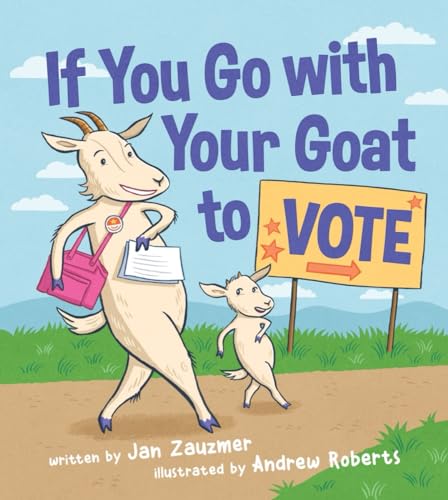
Picture Books about the Voting and the Electoral Process:


Check out these other Resources Perfect for President’s Day
|

|
|

|

Study Early American History with Movies: Colonial Times to the Civil War |

Grab these Printable Resources Below to use in your Home or Classroom
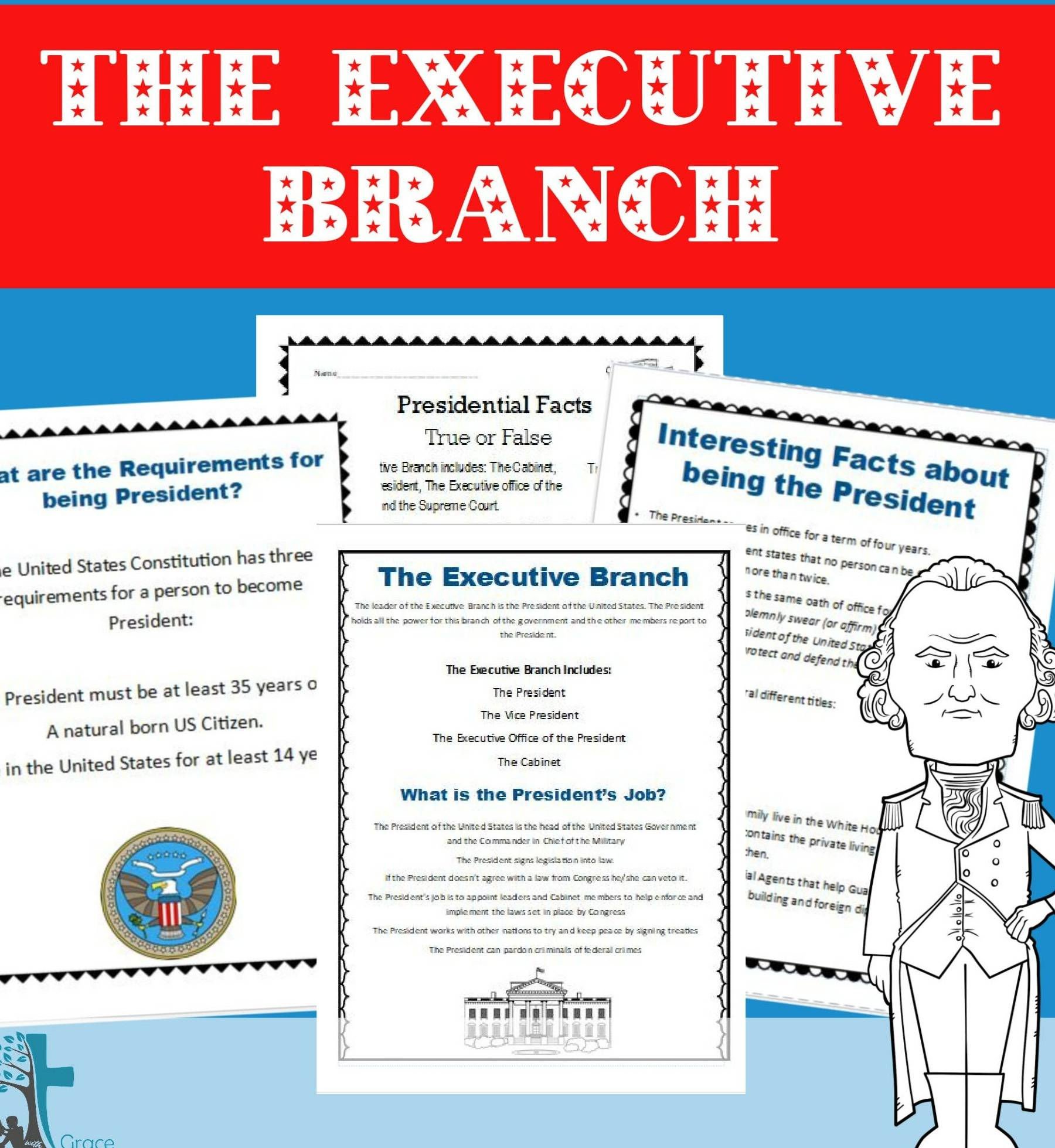
Check out the Full Version of this Resource in my shop

Angela is the Homeschool Encourager for the Overwhelmed & Under-Caffeinated and the Chaos-to-Confidence Specialist behind Schooling with Grace. With a no-fluff approach, a dash of humor, and a whole lot of heart, she helps homeschool moms cut through the chaos, ditch unrealistic expectations, and teach with confidence.