
Fun Facts about Ladybugs for Preschoolers
Preschoolers love anything small, colorful, and wiggly—which makes ladybugs an instant favorite! These cheerful little insects aren’t just cute; they’re full of fascinating facts that will have your little learners wide-eyed with wonder. Whether you’re outside spotting them or reading about them, here are some fun facts about ladybugs to share with your preschooler.

As an Amazon Associate, we earn from qualifying purchases. This site contains affiliate links see my disclosure here:
1. Ladybugs Are Not All Ladies
Despite their name, not every ladybug is a “lady”! There are boy ladybugs too. Scientists call them “lady beetles” or “ladybird beetles.” The name came from long ago, when people believed these colorful bugs were a gift from the Virgin Mary (sometimes called “Our Lady”).
2. Ladybugs Can Have Spots — Or None at All!
When we think of ladybugs, we usually imagine a red bug with black spots. But ladybugs come in all kinds of colors: yellow, orange, black, even pink! Some have lots of spots, and some have none at all.
3. Ladybugs Are Good Garden Helpers
Ladybugs aren’t just cute; they’re also superheroes for gardens! They love to munch on tiny pests like aphids that hurt plants. A single ladybug can eat up to 5,000 bugs in its lifetime!
Related Post: What is an Insect?
4. Ladybugs Play “Freeze!”
When ladybugs feel scared, they sometimes freeze and play dead. Some even release a tiny yellow liquid from their legs to make themselves taste yucky to predators. (Gross for predators, fun fact for kids!)
5. Ladybugs Hibernate in the Winter
When it gets cold, ladybugs don’t fly south like birds — they hibernate! They find cozy places like under leaves, inside tree bark, or even sneaking into homes to stay warm until springtime.
Quick Ladybug Fun Facts for Kids
- A ladybug’s bright colors warn predators: “I’m not tasty!”
- Baby ladybugs (larvae) look nothing like grown-up ladybugs. They’re long, spiky, and black and orange!
- Ladybugs have six legs and two antennas.
- There are more than 5,000 types of ladybugs around the world.
- A group of ladybugs is called a loveliness — how perfect is that?
Check out My Ladybug Mini Unit Study
Easy Ladybug Extension Ideas for Preschool
Want to keep the ladybug fun going? Try these simple activities:
Ladybug Rock Painting:
What You Need:
- Find some small smooth rocks, red/black acrylic paint, paintbrushes, googly eyes (optional), sealer spray (optional)
- Paint rocks red, add black spots and a head. Once dry, glue on googly eyes for extra cuteness. Use them for pretend play, garden decorations, or counting games!
Ladybug Spot Counting Game
What You Need:
Paper ladybugs, black dot stickers or pom-poms, dice.
What To Do:
Roll the dice and add that many “spots” to the ladybug. Keep playing and count how many spots are on the bug now!
Ladybug Hunt Nature Walk
What You Need:
Magnifying glass, a simple ladybug checklist or nature journal.
What To Do:
Go on a walk to search for ladybugs. Look under leaves, on flowers, or near plants. Document how many you see or draw them in a nature notebook.

Ladybugs Resources for Preschoolers
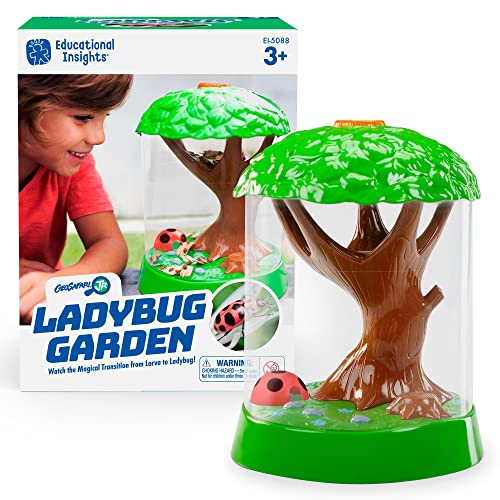
Keep the learning going with these fun preschool ladybug activities.




Ladybugs are a wonderful way to introduce young children to the beauty of nature, the basics of insect life, and even simple science concepts like hibernation and helpful animals. Whether you’re adding a ladybug unit to your homeschool plan or just enjoying a sunny afternoon outdoors, these fun facts will help your preschooler see the magic hiding in even the tiniest creatures.
Grab This Ladybug Mini Unit Below

Angela is the Homeschool Encourager for the Overwhelmed & Under-Caffeinated and the Chaos-to-Confidence Specialist behind Schooling with Grace. With a no-fluff approach, a dash of humor, and a whole lot of heart, she helps homeschool moms cut through the chaos, ditch unrealistic expectations, and teach with confidence.