
How to Organize your Homeschool Space
As summer is gearing up and our days are slowing down, now is the perfect time to organize your homeschool space—before the books, papers, and projects start multiplying like rabbits. Whether you’re brand new to homeschooling or a seasoned pro, a cluttered or chaotic environment can quickly derail even the best-laid lesson plans. But don’t worry—getting organized doesn’t have to mean a complete overhaul or a Pinterest-perfect classroom makeover. With a few intentional tweaks and a bit of planning, you can create a space that actually works for your family.
As an Amazon Associate, we earn from qualifying purchases. This site contains affiliate links see my disclosure here:
In this post, we’ll walk through seven quick wins that will help you clear the clutter, streamline your setup, and set the stage for a more peaceful, productive homeschool year.
Declutter before you Restock
Before you start stocking up on fresh supplies or click “add to cart” on new curriculum, use your time over the Summer to sort through all the supplies and curriculum that have been stacking up through the year. All those broken crayons used up markers and half used workbooks can be thrown away or donated. Don’t forget those art projects from 2 grades ago that are still sitting in a drawer because you just can’t stand to part with them.
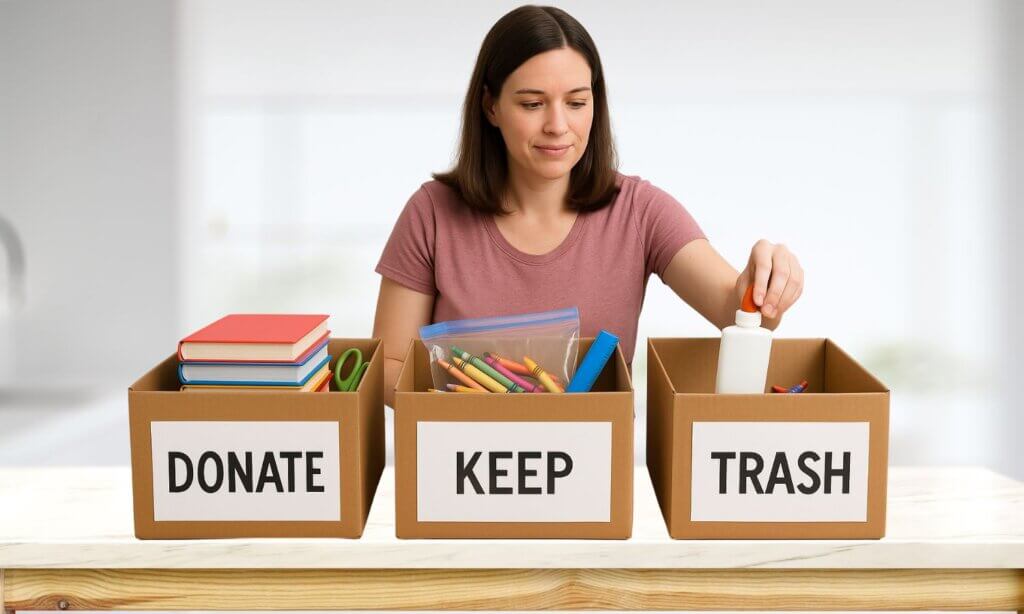
Start with three bins labeled Keep, Donate, and Trash to make sorting a breeze. Be ruthless—if it hasn’t been used in the last year, it probably won’t be missed. Involving your kids can actually make this fun—turn it into a “treasure hunt” to find forgotten supplies or see who can fill a trash bag the fastest.
Not only does decluttering make room for new materials, it also gives you a clear view of what you actually need—saving money and preventing duplicate purchases. A clean slate is the best foundation for an organized homeschool space.
Create a Supply Station that Works for your Family
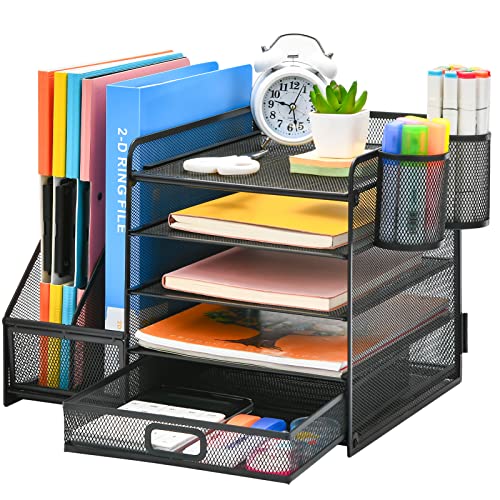
If you are tired of looking for needed items all over the house, it’s time to create a central homeschool supply station. Set up one central spot where all your everyday essentials—pencils, glue sticks, scissors, erasers, and crayons—live. Use a rolling cart, a tiered organizer, or even a repurposed kitchen caddy to keep everything visible and accessible. The goal is to make it easy for your kids and you! to grab what they need without turning the house upside down.
Keep it stocked, tidy, and in a location that makes sense for your daily routine. When supplies have a designated home, they’re a lot less likely to wander off… and you’re a lot less likely to lose your mind by week two.




Designate a Daily Work Zone
Everyone works better in a clean decluttered environment. Whether that space is set up in your kitchen, a specific school room, a small nook, or your children’s bedrooms that space should be set up for success. Choose a spot that’s comfortable, well-lit, and free from major distractions. The key is consistency—when kids know where learning happens, it’s easier to shift into “school mode.”
Equip the area with a small caddy of essentials like pencils, erasers, and a notebook so they’re not constantly getting up and derailing focus. If you’re schooling multiple kids, use color-coded bins or folders to keep everyone’s materials in check. A designated space brings structure to your day, reduces decision fatigue, and helps your homeschool feel more like a rhythm and less like a free-for-all.


Rotate Books and Learning Materials
If you are like me, you probably have a bookshelf (or two) with all your curriculum on display. Instead of trying to keep everything accessible, rotate your books and learning materials regularly. Focus on what’s relevant to your current unit study, season, or skill level, and store the rest in clearly labeled bins or baskets.
A small bookshelf or crate can serve as your “featured” book display, giving your kids a fresh set of titles to explore each month. Not only does this cut down on visual clutter, but it also makes old favorites feel new again when they reappear later. Rotating materials helps maintain interest, reduces mess, and keeps your homeschool space feeling intentional—not overstuffed.
Post a Visual Schedule or Routine
Even the most flexible homeschoolers benefit from a little structure. Posting a visual schedule or daily routine gives your kids a clear sense of what to expect—and helps cut down on the “What are we doing next?” questions every 20 minutes. You don’t need anything fancy; a whiteboard, chalkboard, printable chart, or even sticky notes can do the trick.
Younger kids especially thrive with pictures or icons they can recognize. When our kids were younger we used the workbox system that was very visual. They could move through their boxes with little help from me.
Related Post: Raising Independent Learners
Keep it simple and realistic—include learning blocks, breaks, snacks, and free time. This isn’t about micromanaging every minute; it’s about creating rhythm and routine. When your kids can see the plan, they feel more secure and independent, and your day runs a whole lot smoother.
Make Room for Creativity
Some of our favorite times are the times that we throw the book learning out the window and nurture our imaginations. If you can’t imagine throwing out your schedule or routine, be sure to set aside time and space for some dedicated creativity time.
Whether it’s a drawer full of art supplies, a bin of LEGO’s or a shelf with science kids and blocks, make sure your kids have easy access to hands-on materials. Keep it contained but inviting using clear containers, labeled bins, or something like an art caddy works great. This gives your kids permission to create and explore independently without turning your entire house into a glitter explosion.
Use Vertical Space Smartly
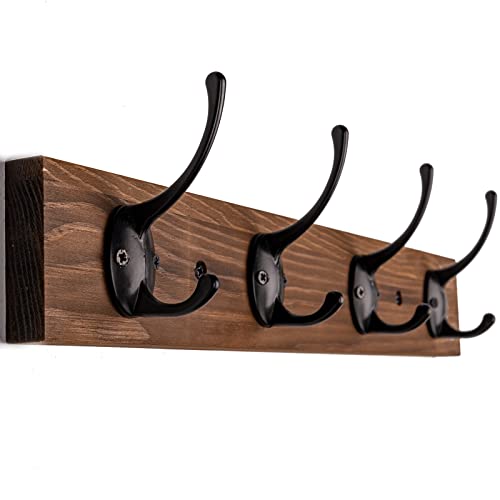
When surface space is limited (or constantly buried under papers), it’s time to look up. Using vertical space smartly can instantly make your homeschool area feel more open and organized. Think wall-mounted baskets for storing notebooks, hanging file folders for each child’s work, pegboards for supplies, or even a simple row of hooks for backpacks and headphones.
You can also use clipboards or magnetic boards to display current assignments or artwork without cluttering flat surfaces. The goal isn’t just to tidy up—it’s to make important items visible and accessible while freeing up precious tabletop real estate. A few well-placed vertical storage solutions can turn a cramped corner into a streamlined homeschool hub.


You Got This!
Getting your homeschool space organized doesn’t have to be overwhelming or time-consuming. With just a few simple tweaks—like decluttering supplies, setting up functional zones, and using your space more efficiently—you can create an environment that supports smoother days and more focused learning. These quick wins are meant to be doable, even in the middle of summer chaos. So pick one or two to start with this week and give yourself a head start before fall rolls in. Your future self (and your coffee cup) will thank you. And hey—don’t forget to celebrate the progress, not perfection!
More Related Posts to check out
Creating a Morning Routine That Sets the Tone for the Day
How to Homeschool and Manage a Household
Keeping your Middle School Student Organized

Angela is the Homeschool Encourager for the Overwhelmed & Under-Caffeinated and the Chaos-to-Confidence Specialist behind Schooling with Grace. With a no-fluff approach, a dash of humor, and a whole lot of heart, she helps homeschool moms cut through the chaos, ditch unrealistic expectations, and teach with confidence.